
Table of Contents
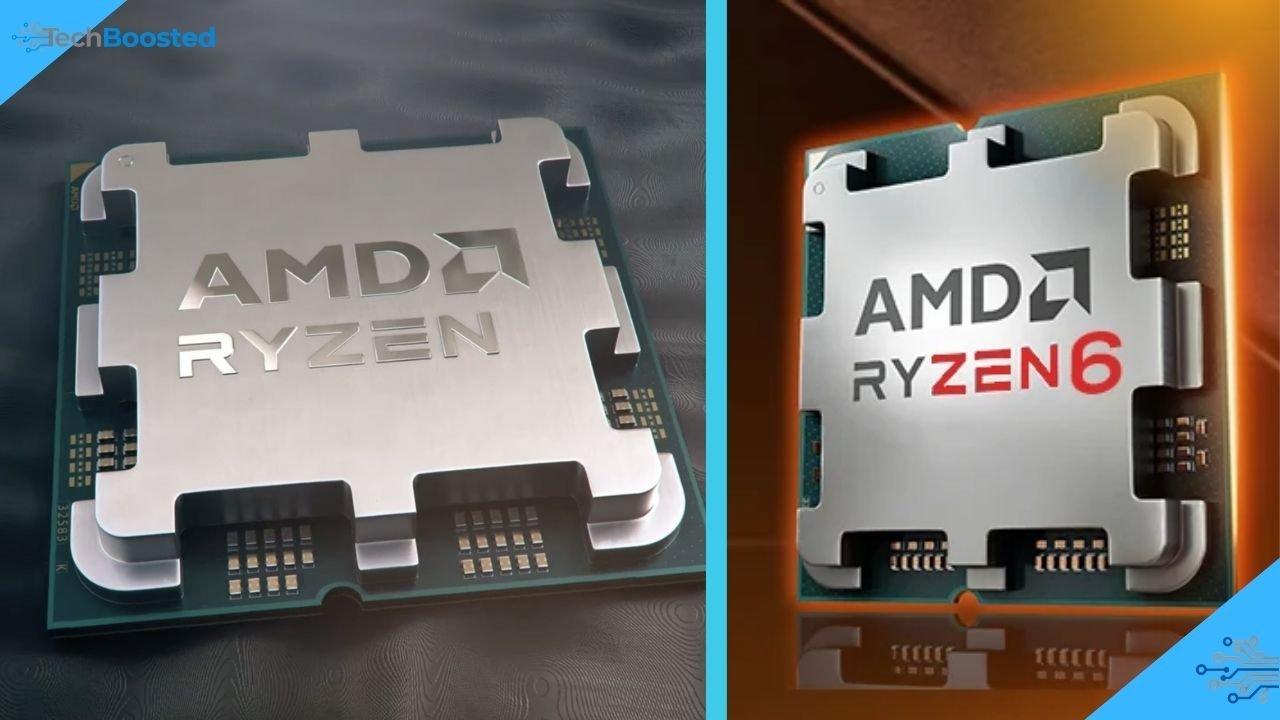
AMD Zen 6 is the latest evolution in AMD’s Ryzen CPU lineup, promising significant improvements in performance, efficiency, and gaming capabilities. Built on advanced semiconductor technology, Zen 6 aims to compete head-to-head with Intel’s latest processors while maintaining AMD’s reputation for value and innovation.
Designed for gamers, content creators, and professionals, AMD Zen 6 brings faster core speeds, enhanced multi-threading, and improved cache architectures. These upgrades allow users to run intensive applications, play demanding games, and multitask seamlessly. The PC market is anticipating Zen 6 as a game-changer in CPU performance.
History of AMD Zen Architecture
The AMD Zen architecture debuted with Ryzen CPUs, marking a turning point for AMD in the high-performance CPU market. Zen introduced improved instructions per clock (IPC), multi-core scalability, and energy efficiency, which set the foundation for future iterations.
Following Zen, Zen+, Zen 2, Zen 3, Zen 4, and Zen 5 continuously improved clock speeds, core efficiency, and architectural optimizations. Each generation has narrowed the performance gap with Intel, making AMD Zen CPUs competitive in gaming, productivity, and workstation workloads. Zen 6 continues this legacy with significant enhancements.
Key Features of AMD Zen 6
AMD Zen 6 introduces cutting-edge features, including higher IPC, increased core counts, and advanced memory support. The architecture also supports PCIe 5.0 and DDR5 memory, enabling faster data transfer and lower latency.
Security and efficiency are enhanced through AMD’s latest chip-level protections and improved power management. Zen 6 CPUs are optimized for both gaming and professional workloads, making them versatile for a wide range of users, from PC enthusiasts to enterprise applications.
AMD Zen 6 CPU Variants and Models
AMD Zen 6 will be available in multiple variants, including high-end Ryzen 9, mid-range Ryzen 7, and entry-level Ryzen 5 options. Each model is tailored to specific workloads, ensuring users can choose the best balance of performance and price.
The high-end Ryzen 9 models feature more cores and threads for intensive gaming and productivity, while Ryzen 7 and Ryzen 5 models provide efficient performance for mainstream gamers and casual users. AMD ensures that Zen 6 offers options for all segments of the PC market.
Release Date and Availability
AMD Zen 6 is expected to launch in mid-2026, with global availability across major retailers and online platforms. Pre-orders often include early access to benchmarks and sometimes bundled cooling solutions.
Availability will extend across desktops, workstations, and gaming PCs. Retailers like Amazon, Newegg, and AMD’s official store are expected to stock Zen 6 at launch, giving enthusiasts immediate access to the newest technology.
Detailed Specifications Breakdown
Zen 6 CPUs feature core counts ranging from 6 to 16 cores, with simultaneous multi-threading enabled for double the thread count. Clock speeds are projected to range from 4.0 GHz base to 5.5 GHz boost, depending on the model.
Cache memory has been significantly increased, with larger L2 and L3 caches enhancing performance in gaming and productivity applications. The new architecture also supports faster DDR5 memory and PCIe 5.0, ensuring compatibility with next-generation components.
Performance Benchmarks Overview
Initial benchmarks suggest AMD Zen 6 offers 10–15% IPC improvements over Zen 5. Single-core performance is optimized for gaming, while multi-core workloads benefit from higher thread counts and cache enhancements.
Synthetic benchmarks like Cinebench and Geekbench show Zen 6 outperforming many Intel counterparts in both single and multi-threaded workloads. This makes it ideal for users requiring both gaming performance and productivity efficiency.
Performance Table:
| Model | Cores / Threads | Base Clock | Boost Clock | L2 + L3 Cache | TDP | Gaming FPS (1080p) |
|---|---|---|---|---|---|---|
| Ryzen 9 7950X Zen 6 | 16 / 32 | 4.0 GHz | 5.5 GHz | 1 MB + 96 MB | 170W | 240+ |
| Ryzen 7 7800X Zen 6 | 12 / 24 | 4.2 GHz | 5.4 GHz | 768 KB + 64 MB | 140W | 220+ |
| Ryzen 5 7600X Zen 6 | 6 / 12 | 4.5 GHz | 5.3 GHz | 384 KB + 32 MB | 105W | 200+ |
Gaming Performance of AMD Zen 6
Gaming benchmarks indicate that AMD Zen 6 delivers excellent FPS across AAA titles at 1080p, 1440p, and 4K resolutions. Games like Cyberpunk 2077, Call of Duty, and Horizon Zero Dawn benefit from faster cores and improved cache.
The architecture supports high frame rates even when paired with top-tier GPUs, making it a perfect choice for competitive gamers. Zen 6 ensures minimal frame dips and smooth gameplay across demanding titles.
Power Efficiency and Thermal Performance
Zen 6 CPUs feature improved power management, reducing energy consumption while maintaining high performance. This results in lower thermal output and quieter operation in desktop systems.
The chips are compatible with high-performance coolers and liquid cooling solutions, allowing users to maintain optimal temperatures during extended workloads or overclocking sessions. Power efficiency improvements also contribute to environmentally conscious computing.
Comparison with AMD Zen 5
Compared to Zen 5, Zen 6 offers higher IPC, improved multi-threading efficiency, and better gaming performance. Memory and cache improvements reduce latency and increase overall responsiveness.
Zen 6 also features enhanced security features and faster interconnect speeds. Users upgrading from Zen 5 will notice tangible improvements in both gaming and productivity tasks.
Comparison with Intel Competitors
Zen 6 challenges Intel’s latest Alder Lake and Raptor Lake CPUs, offering similar or superior performance in gaming, content creation, and workstation tasks. Multi-core workloads often favor Zen 6 due to higher thread counts and efficiency.
In single-core tasks, Zen 6 closes the gap, delivering comparable FPS in gaming scenarios. The combination of price-to-performance ratio and energy efficiency gives AMD a competitive advantage in 2026.
Overclocking and Customization Options
Zen 6 supports overclocking on unlocked models, allowing enthusiasts to push clocks higher for extra performance. AMD’s Ryzen Master software provides easy tuning of cores, voltages, and memory speeds.
Customization options include adjusting power limits, fan curves, and precision boost settings. Overclocking can improve performance in both gaming and multi-threaded workloads while maintaining stability with proper cooling.
System Compatibility and Motherboard Support
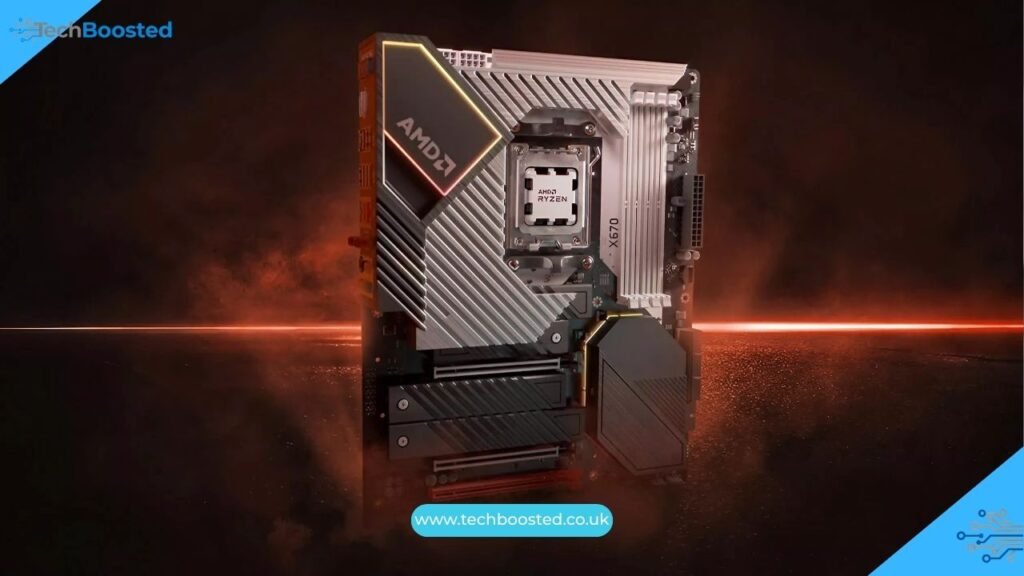
Zen 6 CPUs are compatible with new AM5 motherboards, supporting DDR5 memory and PCIe 5.0 devices. Some backward compatibility may be available with firmware updates for selected AM4 boards.
Motherboards from ASUS, MSI, Gigabyte, and ASRock will feature BIOS updates optimized for Zen 6. Users should ensure their cooling solutions, RAM, and power supplies meet the requirements for high-performance Zen 6 configurations.
Memory and Cache Improvements in Zen 6
Zen 6 introduces faster DDR5 memory support, higher bandwidth, and lower latency compared to previous generations. L2 and L3 caches have been increased to enhance performance in gaming and productivity tasks.
Larger cache sizes reduce bottlenecks during multi-threaded operations and provide smoother frame delivery in games. Combined with optimized memory controllers, Zen 6 ensures a responsive and high-performing system.
Security Features and Enhancements
Zen 6 includes AMD’s latest security technologies, protecting users from vulnerabilities and exploits. Enhanced encryption and hardware-level protections safeguard data in professional and home environments.
Security enhancements are critical for enterprise users and gamers who require system integrity. Zen 6 ensures that performance gains do not compromise system security or reliability.
Real-World Productivity Performance
In productivity applications like video editing, 3D rendering, and software development, Zen 6 demonstrates superior multi-core performance. Users experience faster task completion and smoother multitasking.
Applications like Adobe Premiere Pro, Blender, and Visual Studio benefit from higher thread counts and cache improvements. Zen 6 provides consistent performance across both lightweight and demanding workloads.
Content Creation and Streaming Performance
Zen 6 excels in content creation and live streaming. Multi-threading and fast memory access allow simultaneous gaming and streaming without significant performance drops.
Streamers benefit from efficient encoding, reduced latency, and stable frame rates. Creative professionals can render high-resolution content faster, making Zen 6 a versatile CPU for hybrid use cases.
Pricing and Value for Money
Pricing for Zen 6 is expected to be competitive, with high-end models priced similarly to Intel’s flagship offerings while providing more cores and threads. Mid-range models offer excellent performance at affordable prices.
The value proposition of Zen 6 lies in its combination of performance, efficiency, and feature set. Users receive a premium experience suitable for gaming, productivity, and content creation without breaking the bank.
Future Roadmap and Upcoming AMD CPUs
AMD plans to continue expanding the Zen lineup with future iterations beyond Zen 6. Roadmaps indicate continued focus on energy efficiency, higher IPC, and next-generation memory support.
Future Zen CPUs will likely enhance AI workloads, integrate new accelerators, and maintain AMD’s competitive position in both consumer and enterprise markets. Zen 6 sets the stage for this evolution.
Conclusion
AMD Zen 6 is a transformative CPU that delivers improvements in performance, efficiency, and gaming capabilities. Its advanced architecture, higher clock speeds, and expanded core counts make it suitable for gamers, content creators, and professionals alike.
With robust multi-core performance, improved memory support, and energy efficiency, Zen 6 strengthens AMD’s position in the CPU market. It represents a compelling upgrade for users looking to maximize performance and value.
Frequently Asked Questions
What is the release date for AMD Zen 6?
AMD Zen 6 is expected to launch in mid-2026, with availability across major retailers and online platforms. Pre-orders may include exclusive bonuses or early access.
What are the system requirements for AMD Zen 6 CPUs?
Zen 6 requires AM5 motherboards, DDR5 memory, and compatible cooling solutions. Higher-end models also benefit from PCIe 5.0 devices for optimal performance.
How does AMD Zen 6 perform in gaming?
Zen 6 delivers excellent FPS across AAA titles, even at 4K resolution. High clock speeds, improved cache, and memory support provide smooth, high-performance gaming.
Can AMD Zen 6 CPUs be overclocked?
Yes, unlocked Zen 6 models support overclocking via AMD Ryzen Master software. Users can adjust cores, voltages, and memory settings to achieve higher performance.
How does Zen 6 compare to Intel’s latest CPUs?
Zen 6 competes closely with Intel’s Alder Lake and Raptor Lake CPUs, often outperforming them in multi-core workloads while matching single-core performance in gaming.
Stay updated with the latest AMD Zen 6 news, benchmarks, and PC gaming insights at techboosted.co.uk.