
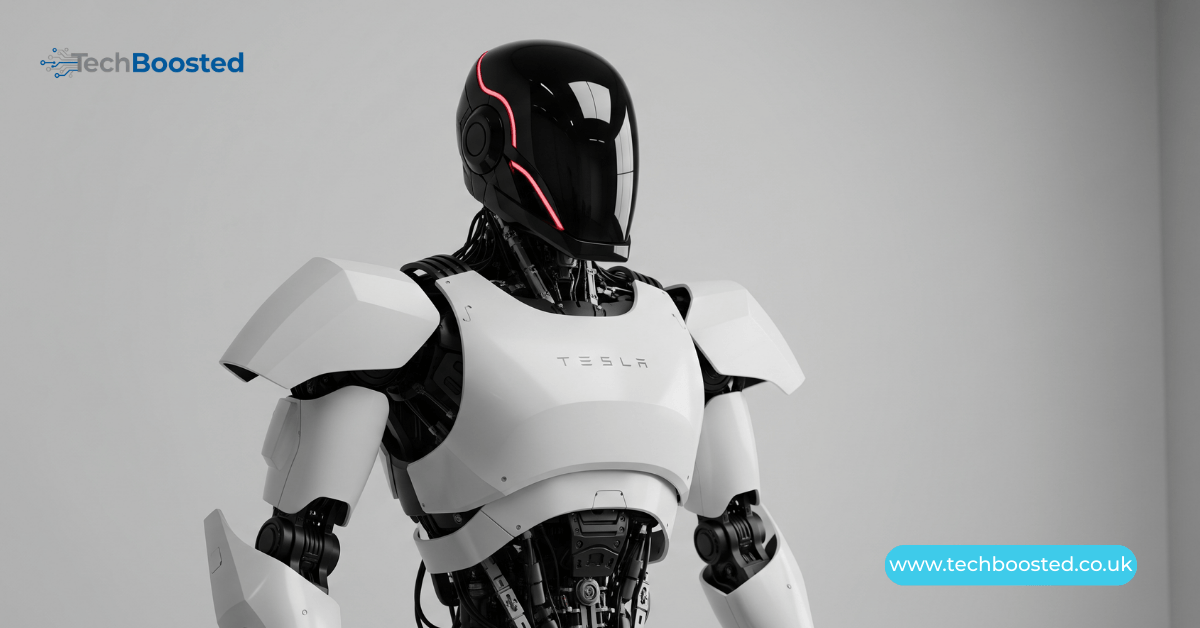
Introduction to Humanoid Robots in 2026
Humanoid robots 2026 marks a pivotal year where advancements in AI, robotics engineering, and manufacturing are bringing these machines closer to everyday integration in factories, homes, and public spaces. With companies like Boston Dynamics, UBTech, and SwitchBot unveiling new capabilities, humanoid robots are transitioning from prototypes to practical applications, driven by improved AI models for autonomous tasks and declining production costs. This surge in development, highlighted by events like China’s Humanoid Robot Games and CES 2026 showcases, positions humanoid robots 2026 as the dawn of widespread adoption, with market projections from Goldman Sachs estimating a $38 billion industry within the decade. Governments, especially in China, are fueling this growth through incentives, while skepticism persists regarding timelines and economic viability.
Boston Dynamics’ Atlas: Factory Integration Breakthroughs
Boston Dynamics’ Atlas humanoid robot is at the forefront of humanoid robots 2026 news, as the company demonstrates its AI-powered capabilities in real-world factory settings at Hyundai. Valued at over a billion dollars, Atlas is learning to perform complex tasks alongside human workers, leveraging advanced computer vision and manipulation skills. In early 2026, Boston Dynamics invited media to witness Atlas’ progress, showcasing its ability to navigate dynamic environments and execute precise actions. While full workforce integration is still several years away, these developments underscore humanoid robots 2026 potential to enhance productivity in manufacturing, with Boston Dynamics competing against Chinese firms in a rapidly escalating global race.
China’s Humanoid Robot Sports Craze and UBTech Advancements
Humanoid robots 2026 in China are gaining momentum through innovative events like the Humanoid Robot Games, which featured competitions in soccer, running, and martial arts, drawing global attention. UBTech Robotics has rolled out its 1,000th Walker S2 humanoid, shifting from prototypes to mass production with over 500 units already deployed in factories. This reflects China’s aggressive push, supported by government mandates to establish a humanoid ecosystem by 2025, leading to booms in robot sporting events and public demonstrations. In humanoid robots 2026, these initiatives could accelerate home adoption, as sports craze translates to practical applications like household chores, positioning China as a leader in affordable humanoid technology.
Figure CEO’s Predictions for Humanoid Robots in 2026
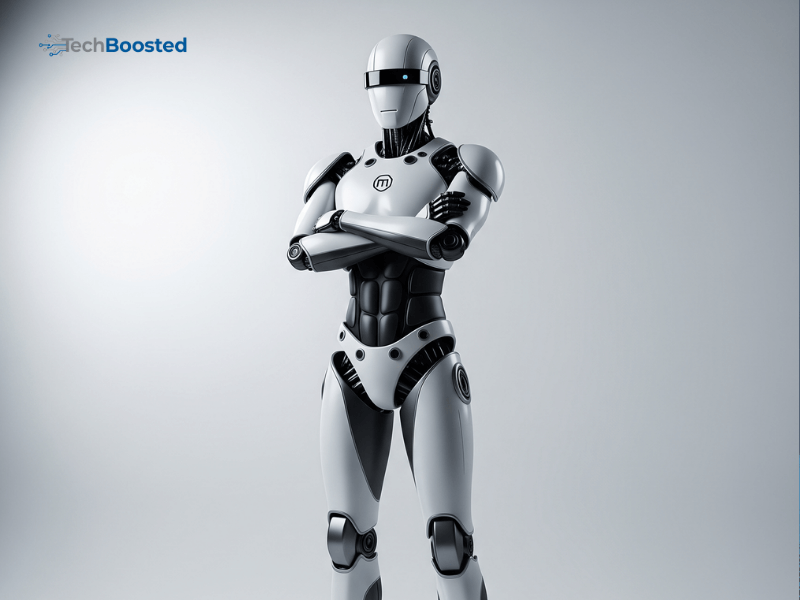
Figure Robotics CEO Brett Adcock’s bold forecasts for humanoid robots 2026 include unsupervised, multi-day tasks in unfamiliar homes, powered entirely by neural networks translating visuals to actions. Priced around $20,000, these humanoids aim to redefine household automation, with early adopters already placing orders for late-2026 deliveries. Adcock also anticipates city tests for eVTOLs and shifts to multimodal memory AI, but humanoid robots 2026 stand out as the most transformative, potentially entering public testing and factory trials. This optimism aligns with broader industry trends, where AI advancements enable robots to operate autonomously over extended periods.
SwitchBot’s Onero H1: Household Humanoid at CES 2026
SwitchBot unveiled the Onero H1 at CES 2026, a wheeled humanoid robot designed for household chores like laundry, using cameras, articulated arms, and on-device AI for task execution. As the “most accessible AI household robot,” it builds on SwitchBot’s smart home expertise, offering affordability and integration with existing ecosystems. In humanoid robots 2026, the Onero H1 represents a step toward practical home assistants, tackling daily routines without human supervision. This debut follows SwitchBot’s multitasking bots, emphasizing ease of use for consumers seeking robotic help in 2026.
Silicon Valley Humanoid Summit: Optimism and Skepticism
The Humanoids Summit in Silicon Valley, attended by over 2,000 engineers from Disney, Google, and startups, spotlighted humanoid robots 2026 potential while acknowledging challenges. Organizers highlighted robots as a “bad bet” historically due to complexity and costs, but 2026 signals a turning point with AI advancements. Disney’s Olaf robot, set for theme park deployment in Hong Kong and Paris, demonstrates entertainment applications. However, skepticism remains on timelines, with experts noting it could take years for widespread viability. Chinese competition, fueled by incentives, adds pressure, making humanoid robots 2026 a contested space between innovation and realism.
Market Projections and Economic Impact
Goldman Sachs forecasts the humanoid robot market reaching $38 billion by the mid-2030s, driven by humanoid robots 2026 advancements in AI and manufacturing. Companies like Boston Dynamics and UBTech are scaling production, with valuations soaring amid investor interest. In China, government mandates accelerate ecosystem building, potentially lowering costs to $20,000 per unit. Economic impacts include job transformations in factories and homes, with humanoids handling repetitive tasks. In humanoid robots 2026, this growth could boost productivity but raises questions on employment and ethical deployment.
Technological Advancements Enabling Humanoids
Key technologies propelling humanoid robots 2026 include neural network-driven control systems, advanced sensors for navigation, and articulated limbs for precise manipulation. Boston Dynamics’ Atlas uses AI for factory learning, while Figure’s bots emphasize pixels-to-torques translation. Chinese models like Walker S2 leverage on-device AI for sports and tasks. These innovations reduce latency, improve balance, and enable unsupervised operation, making humanoid robots 2026 more viable for real-world use.
Challenges and Skepticism in Humanoid Development
Despite hype, humanoid robots 2026 face hurdles like high costs, energy efficiency, and regulatory approval. Silicon Valley summits note historical investor reluctance due to complexity. Chinese dominance raises geopolitical concerns, while ethical issues around job displacement persist. Skeptics argue timelines are optimistic, with full autonomy potentially years away. Addressing these will be key for humanoid robots 2026 success.
Future Prospects for Humanoid Robots
Looking ahead, humanoid robots 2026 could expand into healthcare, education, and hospitality, with AI enabling personalized interactions. Collaborations between U.S. and Chinese firms may accelerate progress, despite competition. By 2030, widespread adoption seems plausible, transforming societies. In humanoid robots 2026, focus remains on proving reliability in pilots and trials.
Conclusion
Humanoid robots 2026 represent a transformative leap, with innovations from Boston Dynamics, UBTech, and SwitchBot pushing boundaries in factories, sports, and homes. While challenges like costs and skepticism linger, market growth and technological strides signal a future where humanoids become everyday companions. As developments unfold, humanoid robots 2026 promise to redefine human-machine collaboration.
Frequently Asked Questions (FAQs)
What are the key advancements in humanoid robots 2026?
Humanoid robots 2026 feature AI-powered autonomy in factories (Boston Dynamics Atlas) and homes (Figure bots), with prices dropping to $20,000.
How is China leading in humanoid robots 2026?
Through events like Humanoid Robot Games and UBTech’s Walker S2 production, supported by government incentives.
What is SwitchBot’s Onero H1 in humanoid robots 2026?
A CES 2026-debuted wheeled humanoid for household tasks like laundry, using on-device AI.
What market size is projected for humanoid robots 2026?
Goldman Sachs estimates $38 billion by mid-2030s, driven by humanoid robots 2026 innovations.
What challenges face humanoid robots 2026?
High costs, energy efficiency, and skepticism on timelines, as noted in Silicon Valley summits.
Will humanoid robots enter homes in 2026?
Yes early adopters order models for unsupervised tasks, with deliveries anticipated later in the year.
Stay connected with techboosted.co.uk for the latest robotics advancements and AI insights.