Table of Contents
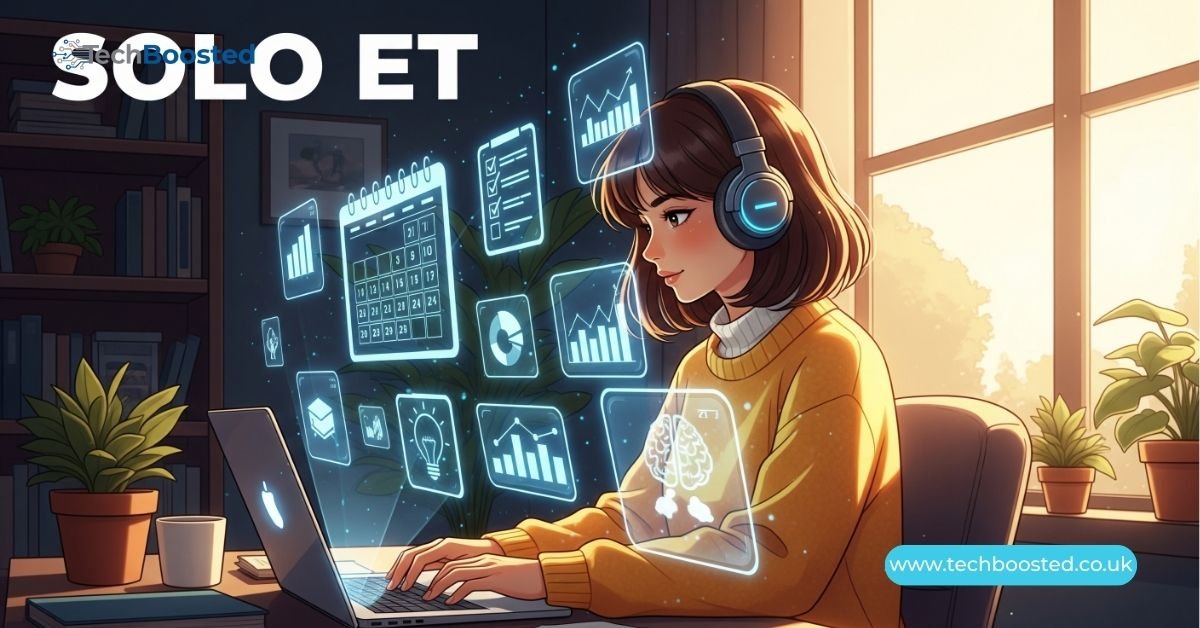
Solo ET is becoming a widely discussed concept as individuals increasingly look for independence, control, and self-direction in a digitally connected world. Rather than relying on traditional organizations, fixed career paths, or centralized platforms, this movement reflects a shift toward operating independently while still engaging with global systems. In 2026, changing work models, rapid technological advancement, and declining trust in rigid structures have made Solo ET more relevant than ever. It is not simply a trend or a job style, but a broader philosophy centered on autonomy, ownership, and intentional decision-making. Understanding this movement helps explain why more people are redefining success on their own terms.
Understanding the Core Meaning of Solo ET
At its core, Solo ET represents an individual-first approach to work, creativity, and participation in digital ecosystems. The idea emphasizes self-reliance, personal accountability, and freedom of choice. Instead of being dependent on employers, platforms, or institutions, individuals operating under this mindset focus on building systems they control. Solo ET does not promote isolation, nor does it reject cooperation. Rather, it places the individual at the center and treats collaboration as optional and strategic. This distinction separates it from traditional collective or hierarchical models that often limit flexibility and independence.
How the Solo ET Movement Emerged
The foundations of Solo ET can be traced back to early internet culture, when individuals began publishing, selling, and building influence without intermediaries. Blogging platforms, online marketplaces, and social media opened doors for independent creators and professionals. Over time, economic uncertainty, global disruptions, and the rise of remote work pushed more people to question conventional structures. As tools became more powerful and accessible, individuals realized they could operate independently at scale. By 2026, these scattered practices had evolved into a recognizable movement built around autonomy and long-term control.
Why Solo ET Is Gaining Momentum in 2026
The growing interest in Solo ET is closely tied to current global conditions. Automation and AI have reduced the need for large teams, while cloud-based tools allow individuals to manage complex workflows alone. At the same time, many people have grown frustrated with unstable platforms, shifting algorithms, and limited job security. Solo ET aligns with a desire for flexibility and resilience. It offers an alternative path that prioritizes adaptability over permanence, making it especially attractive in an era defined by rapid change and uncertainty.
Solo ET and the Shift Toward Digital Independence
Digital independence is one of the most important principles behind Solo ET. Individuals following this approach aim to reduce reliance on third-party platforms by owning their digital presence. This often includes personal websites, self-hosted content, direct communication channels, and diversified income streams. By controlling access to audiences and data, individuals reduce the risk of sudden disruptions caused by policy changes or platform shutdowns. Digital independence does not eliminate the use of major platforms but reframes them as tools rather than foundations.
How Solo ET Differs From Traditional Freelancing
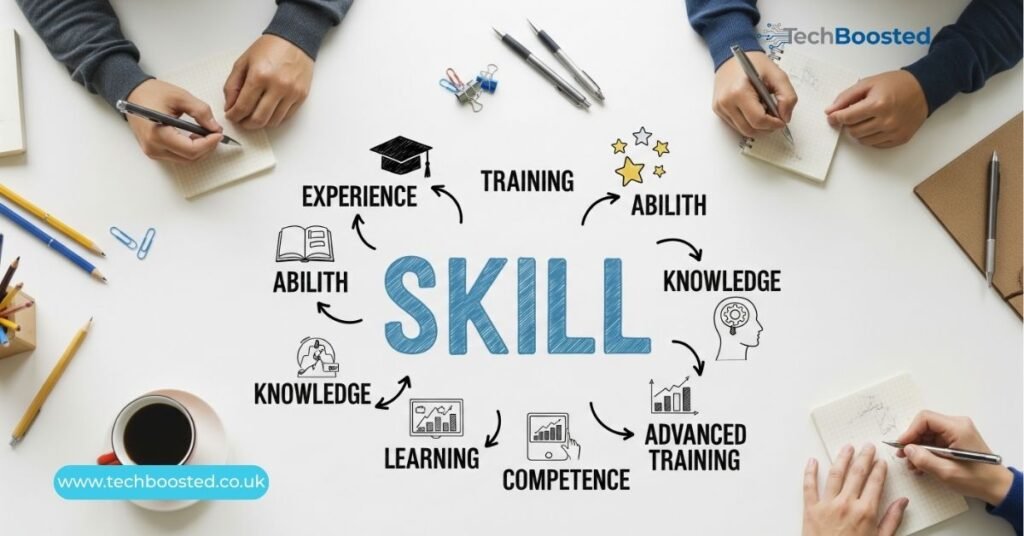
Although it may resemble freelancing on the surface, Solo ET represents a broader and more strategic approach. Freelancers typically sell services through marketplaces or client networks, often depending on external systems for leads and payments. In contrast, this movement focuses on building self-sustaining ecosystems. Branding, long-term planning, and ownership of distribution channels play a central role. Instead of trading time for money indefinitely, individuals aim to create scalable structures that grow over time, reducing dependency on constant client acquisition.
The Role of Technology in Enabling Solo ET
Technology is a key enabler of Solo ET. Productivity tools, automation software, and AI assistants allow individuals to perform tasks that once required entire teams. From managing finances to producing content and handling customer communication, technology significantly lowers operational barriers. In 2026, these tools are more affordable and intuitive than ever, making independent operation accessible to a wider audience. Rather than replacing human creativity, technology amplifies individual capacity and efficiency within this framework.
Solo ET in the Creator and Knowledge Economy
The creator and knowledge economy has embraced principles rapidly. Writers, educators, designers, and consultants increasingly build direct relationships with their audiences. Instead of relying solely on advertising or algorithm-driven visibility, many monetize through subscriptions, digital products, and private communities. This approach allows for greater creative freedom and more predictable income. By focusing on long-term value rather than short-term trends, individuals can produce work that aligns with their values while remaining financially sustainable.
Psychological and Lifestyle Impacts of Solo ET
Beyond economics, Solo ET has notable psychological and lifestyle implications. Greater autonomy often leads to higher job satisfaction and a stronger sense of purpose. Individuals have more control over their schedules, workloads, and creative direction. However, independence also requires discipline and self-motivation. Without external structure, time management and boundary setting become critical skills. For many, the trade-off is worthwhile, as the sense of ownership and alignment outweighs the challenges of self-management.
Challenges and Risks to Consider
Despite its appeal, Solo ET is not without risks. Financial instability can occur, especially in the early stages. Individuals must handle strategy, execution, and problem-solving alone, which can be overwhelming. There is also no built-in safety net, making planning and diversification essential. Burnout is another potential risk if boundaries are not maintained. Understanding these challenges is crucial for anyone considering this path, as success depends on preparation, adaptability, and realistic expectations.
Who Is Best Suited for Solo ET
This approach tends to suit individuals who value independence and are comfortable with responsibility. Entrepreneurs, digital creators, consultants, and remote professionals often thrive under this model. It may be less suitable for those who prefer structured environments or clearly defined roles. Solo ET encourages self-awareness, helping individuals assess their goals, skills, and tolerance for uncertainty before fully committing. It is not a universal solution, but it offers a compelling option for the right mindset.
Long-Term Outlook for Solo ET
Looking ahead, Solo ET is expected to continue growing as decentralization and individual empowerment shape digital culture. Advances in technology will further reduce barriers to independent operation. While traditional institutions will not disappear, alternative models will gain legitimacy. This movement represents a broader shift toward self-directed living, where individuals design systems around their values rather than adapting to predefined structures. Its long-term success will depend on balancing freedom with sustainability.
Conclusion
Solo ET reflects a meaningful evolution in how people approach work, creativity, and independence. By emphasizing ownership, flexibility, and adaptability, it offers an alternative to traditional systems that no longer suit everyone. While challenges exist, the ability to control one’s direction and build resilient systems makes this movement increasingly appealing. As technology continues to empower individuals, Solo ET is likely to remain a significant force in shaping independent lifestyles and digital participation in the years ahead.
Frequently Asked Questions (FAQs)
What does Solo ET mean?
It refers to an individual-centered approach focused on independence and self-direction.
Is Solo ET only for online professionals?
No, it can apply to both digital and offline independent work.
Does Solo ET eliminate collaboration?
No, collaboration is optional and based on choice.
Is this approach financially risky?
It can be initially, but diversification reduces long-term risk.
Can beginners adopt this mindset?
Yes, with gradual planning and skill development.
Is Solo ET a long-term trend?
Current indicators suggest it will continue growing.
Stay connected with Techboosted.co.uk through our latest insights and emerging digital movements.