
Table of Contents
The NVIDIA RTX 60 series has emerged as one of the most awaited graphics card releases of 2026-2027. Gamers and PC enthusiasts are eager to see the performance improvements promised by the next-generation GPU architecture. With advancements in ray tracing, AI-powered rendering, and higher memory bandwidth, the RTX 60 is expected to set a new benchmark for high-end gaming and content creation. Social media buzz, pre-release leaks, and online speculation have amplified its status as a must-have upgrade.
Beyond performance, the RTX 60 is symbolic of technological progress in the GPU market. Enthusiasts anticipate revolutionary improvements in frame rates, cooling efficiency, and power consumption. Early benchmarks and insider reports suggest substantial gains over the previous RTX generation. As such, even delays in its launch have sparked concern, with gamers questioning when they will experience the promised next-level performance and whether the wait will be worth it.
What Is the NVIDIA RTX 60 Series?
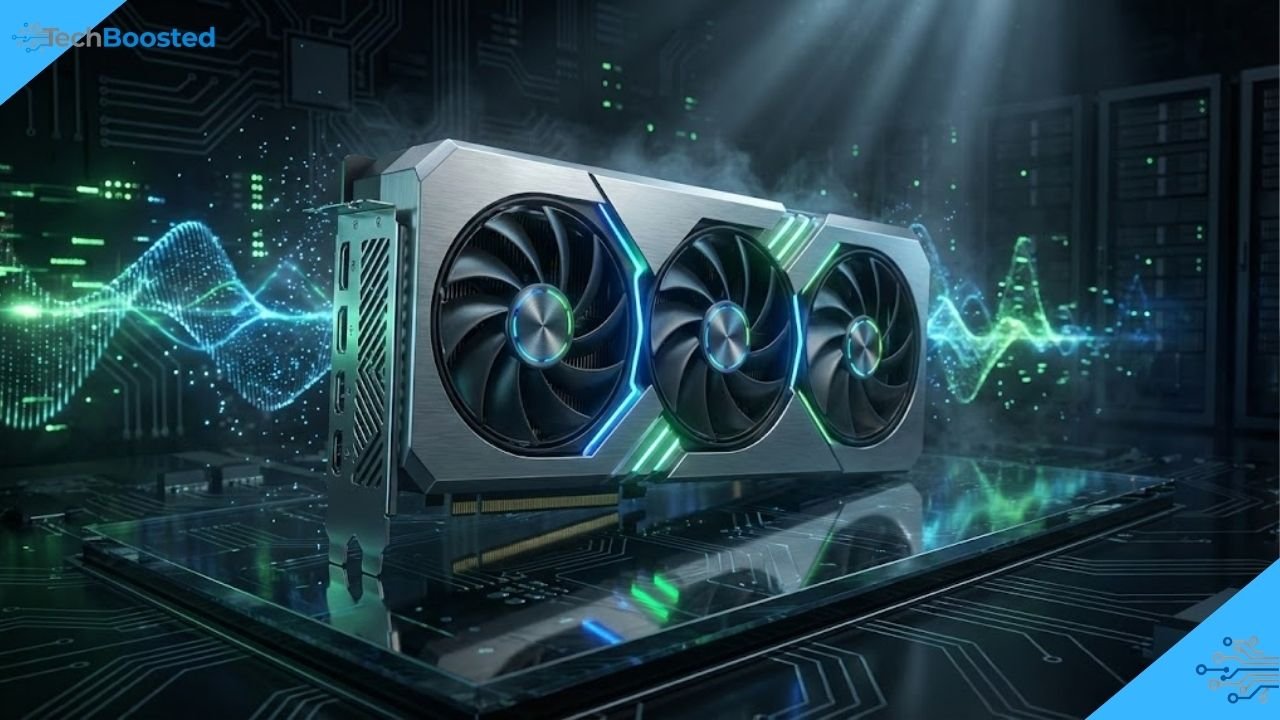
The RTX 60 series represents NVIDIA’s latest high-end GPU lineup, designed to deliver exceptional gaming performance and cutting-edge features. Leveraging the latest architecture, these graphics cards are expected to offer faster processing, enhanced ray tracing capabilities, and superior AI-driven technologies. NVIDIA markets as a leap forward for both gamers and professional creators who rely on powerful GPUs for rendering, streaming, and complex computations.
While full specifications are not yet publicly confirmed, leaks suggest multiple variants within the family, catering to different performance tiers. Each card promises improvements in memory size, clock speed, and energy efficiency compared to prior generations. The RTX 60’s combination of gaming optimizations and AI-focused enhancements makes it a highly anticipated addition to NVIDIA’s product line, raising expectations across the gaming community.
Expected Features and Performance of RTX 60
The RTX 60 series is expected to feature a significant boost in raw performance compared to the RTX 50 lineup. With higher core counts, advanced ray tracing cores, and enhanced tensor cores for AI acceleration, these GPUs aim to deliver fluid 4K gaming and support next-gen VR experiences. Improvements in thermal design and power efficiency will also allow prolonged gaming sessions without throttling or excessive heat.
Additionally, NVIDIA is likely to introduce software enhancements exclusive to the series, including improved DLSS (Deep Learning Super Sampling) technology and AI-enhanced image processing. Gamers can anticipate smoother visuals, higher frame rates, and better support for demanding AAA titles. The RTX 60 is positioned to redefine performance expectations and create a new standard for next-generation gaming experiences.
Reasons Behind the RTX 60 Delays
Delays in the RTX 60 release are driven by multiple factors, including global semiconductor shortages and supply chain bottlenecks. Manufacturing next-gen GPUs requires advanced chips and precise assembly, both of which have faced disruptions in 2026. These issues have caused NVIDIA to push back production timelines, frustrating gamers who eagerly await new hardware.
Another factor involves quality control and testing. NVIDIA aims to ensure that the delivers reliable performance across all variants before shipment. Delays allow additional stress testing and optimization, ensuring stability and preventing early hardware issues. While disappointing for consumers, these measures may ultimately result in a more robust and dependable product.
Impact of Delays on Gamers and PC Enthusiasts
The postponement of the RTX 60 launch has caused frustration among gamers anticipating high-end upgrades. Enthusiasts planning to build new gaming rigs or replace aging GPUs must reconsider timelines, budgets, and compatibility. Many were hoping to leverage RTX 60’s next-gen performance for upcoming AAA titles, and the delay interrupts these plans.
Additionally, early adopters of previous GPUs face a dilemma: continue using older cards with lower performance or explore alternative options. The delay affects not only gaming performance but also streaming, content creation, and professional workloads. In a competitive PC market, timing can influence purchasing decisions, making delays a significant concern for enthusiasts.
Supply Chain and Manufacturing Challenges
Global semiconductor shortages remain a critical challenge for NVIDIA’s RTX 60 production. The chip manufacturing process requires specialized equipment and materials, which are in high demand across multiple industries. Any disruption in supply can cascade into production delays, affecting global availability and distribution schedules.
Logistics complications, including shipping constraints and regional manufacturing limitations, further complicate release timelines. NVIDIA’s commitment to quality control also necessitates rigorous testing of each unit, adding additional time before products reach retailers. These factors combined contribute to the delay, highlighting the complex nature of delivering next-generation GPUs to a global market.
Comparisons with Previous RTX Generations
When compared to the RTX 50 series, the RTX 60 promises substantial improvements in performance, power efficiency, and feature support. Benchmarks from early leaks indicate higher frame rates in AAA games, improved ray tracing quality, and faster AI-driven processing for creative workloads. These enhancements mark a notable step forward for NVIDIA’s high-end lineup.
The evolution from RTX 50 to RTX 60 also reflects shifts in GPU design philosophy. Emphasis on AI acceleration, energy efficiency, and optimized thermal solutions demonstrates NVIDIA’s response to consumer demand and industry trends. Gamers expecting incremental upgrades may be surprised by the level of innovation packed into the RTX 60 architecture.
How RTX 60 Delays Affect Gaming Performance Expectations
Anticipated performance metrics for the RTX 60 have shaped gamer expectations, making delays particularly frustrating. Players looking forward to 4K gaming at ultra settings or advanced ray tracing effects must wait longer than planned. This postponement also impacts competitive gaming setups where cutting-edge hardware is crucial.
The delay may encourage gamers to reconsider alternatives or temporarily adjust settings on current GPUs. Streaming and content creators also feel the impact, as rendering and processing tasks could benefit significantly from the RTX 60’s expected capabilities. Expectations remain high, putting pressure on NVIDIA to deliver a product that justifies the wait.
Market Response and Competitor Moves
Competitors like AMD and Intel are closely watching NVIDIA’s RTX 60 release timeline. Delays create opportunities for rival graphics card manufacturers to promote their products and capture market share. Early reviews, benchmarking leaks, and aggressive pricing by competitors could influence consumer decisions.
Retailers and distributors are also adapting, revising inventory plans and promotional campaigns. The delay impacts not only NVIDIA but the broader GPU ecosystem. Companies must balance consumer demand with inventory availability, potentially reshaping launch strategies and competitive positioning.
Potential Release Timeline Updates
Current reports suggest the RTX 60 may launch later than initially projected, potentially spilling into mid-to-late 2027. NVIDIA aims to address supply constraints and ensure production quality before official release. While this timeline is not confirmed, industry analysts predict a cautious approach to avoid early shortages and performance complaints.
Gamers and retailers should monitor official announcements closely. Any updates could affect pre-order schedules, pricing expectations, and availability across regions. Accurate timelines are crucial for enthusiasts planning upgrades, highlighting the importance of transparent communication from NVIDIA during this delay period.
Tips for Gamers Waiting for RTX 60
While waiting for the RTX 60, gamers can take several steps to optimize their current setups. Upgrading drivers, overclocking existing GPUs safely, and optimizing in-game settings can enhance performance temporarily. Keeping systems clean, ensuring adequate cooling, and monitoring performance metrics also helps users maintain smooth gameplay.
Additionally, gamers should research alternative GPU options to bridge the gap. Mid-range GPUs or previous RTX models may serve as interim solutions until the RTX 60 becomes widely available. Engaging with online communities can provide insights into performance tweaks and availability updates, allowing enthusiasts to remain competitive without investing in suboptimal hardware.
Alternative GPU Options During the Delay
With the RTX 60 launch postponed, alternative graphics cards are gaining attention. NVIDIA’s RTX 50 series, AMD’s RX 7000 series, and Intel Arc GPUs are viable options for gamers seeking high performance today. Each alternative offers varying levels of ray tracing support, AI enhancements, and price points, catering to different user needs.
Selecting a temporary GPU involves assessing performance, budget, and long-term plans. Some users may opt for slightly older models that still deliver satisfactory frame rates and rendering quality. Comparing benchmarks, reading reviews, and understanding feature trade-offs ensures gamers make informed choices while waiting for the RTX 60.
Conclusion
The delay of the RTX 60 series highlights the challenges of next-generation GPU production, including supply chain issues, quality control, and global demand. While frustration is understandable, these measures ensure a high-quality product at launch. Gamers should manage expectations and plan upgrades strategically to avoid disappointment.
Ultimately, the RTX 60 promises significant performance gains and innovative features that justify the wait. Patience and informed decision-making can help gamers make the most of current hardware while preparing for a smooth transition once the RTX 60 becomes available. Understanding the delay context ensures anticipation remains positive rather than stressful.
Frequently Asked Questions
What is RTX 60?
RTX 60 is NVIDIA’s next-generation high-end graphics card series, designed for gaming and content creation.
Why is RTX 60 delayed?
Global semiconductor shortages, supply chain disruptions, and quality control are contributing to the delay.
When is the RTX 60 release expected?
Current projections suggest a launch in mid-to-late 2027, though official dates may vary.
How does RTX 60 compare to previous RTX models?
It offers higher frame rates, advanced ray tracing, AI enhancements, and improved power efficiency over RTX 50 series.
Are there alternative GPUs to use while waiting?
Yes, NVIDIA RTX 50, AMD RX 7000 series, and Intel Arc GPUs are good temporary options.
Will the delay affect pricing?
Early reports suggest pricing may remain stable, but supply constraints could impact availability and retail pricing.
Is RTX 60 worth waiting for?
For gamers seeking top-tier performance and next-gen features, waiting is recommended.
Stay updated with techboosted.co.uk for more Technologies news.