Announcement of the Nvidia Groq Deal
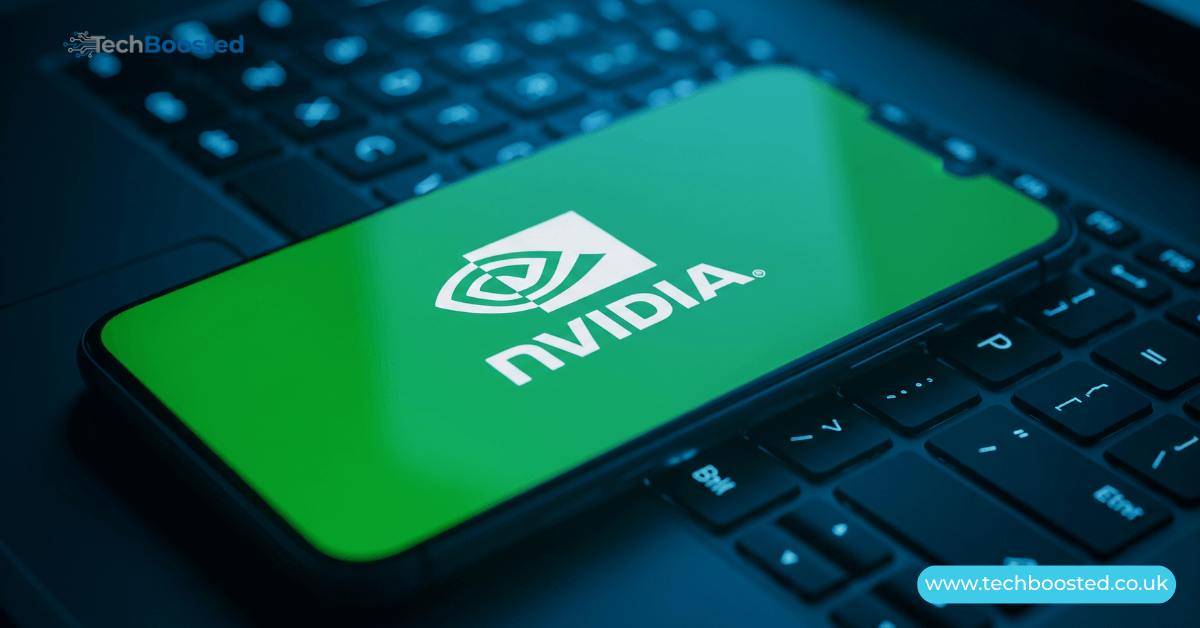
The Nvidia Groq deal, announced on December 23, 2025, involves a non-exclusive licensing agreement where Nvidia licenses Groq’s advanced AI inference technology. Reports value the transaction at approximately $20 billion, marking Nvidia’s largest deal to date. As part of the arrangement, Groq founder and CEO Jonathan Ross, President Sunny Madra, and several key team members join Nvidia to scale the technology. Groq remains an independent company, with former CFO Simon Edwards stepping in as CEO, and its GroqCloud service continues uninterrupted. This strategic move bolsters Nvidia’s position in the rapidly growing AI inference market while integrating specialized expertise.
Structure of the Nvidia Groq Deal
Officially framed as a non-exclusive licensing agreement, the Nvidia Groq deal allows Nvidia access to Groq’s intellectual property for inference processors without acquiring the company outright. Nvidia reportedly acquires Groq’s physical assets and core technology in cash payments, with substantial upfront disbursements and installments in 2026. Shareholders receive payouts based on the $20 billion valuation, even without equity transfer. Employees moving to Nvidia get cash for vested shares and Nvidia stock for unvested portions. This creative structure provides Nvidia with talent and tech while preserving Groq’s nominal independence and GroqCloud operations.
Why the Deal Resembles an Acquisition in Disguise
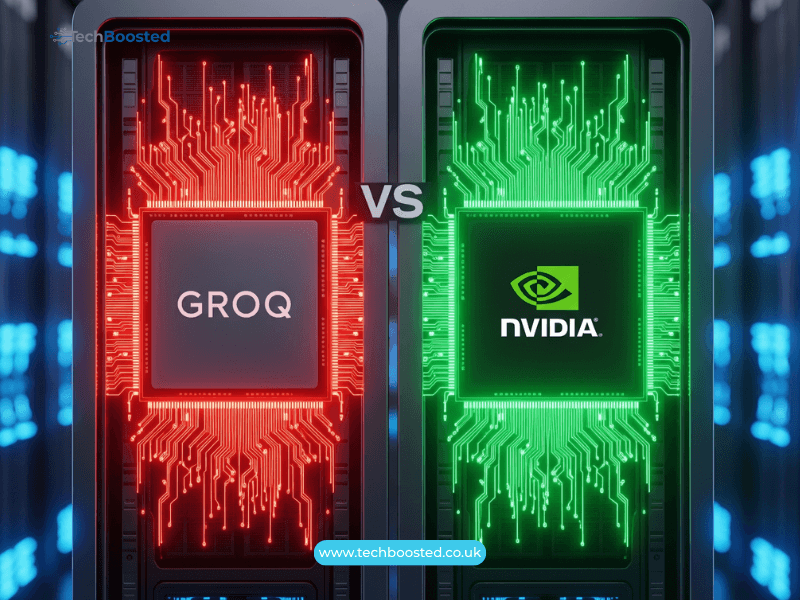
Industry observers widely view the Nvidia Groq deal as an acquisition in disguise, often called an “acqui-hire” or “hackquisition.” Nvidia gains Groq’s inference IP, physical assets, founder, top executives, and most engineering talent essentially the company’s innovative core without formal ownership. This approach mirrors recent Big Tech transactions that sidestep full acquisitions to avoid antitrust scrutiny under regulations like the Hart-Scott-Rodino Act. By labeling it a licensing pact and keeping it non-exclusive, Nvidia maintains the “fiction of competition” while neutralizing a potential rival. Analysts note this eliminates Groq as an independent threat in inference, where custom chips challenge Nvidia’s GPU dominance.
Groq’s Background and Technology
Groq, founded in 2016 by Jonathan Ross a key developer of Google’s original Tensor Processing Unit (TPU) specializes in Language Processing Units (LPUs) optimized for AI inference. These chips excel at low-latency, high-efficiency real-time model responses, outperforming general-purpose GPUs in specific workloads. Groq’s deterministic architecture uses massive VLIW designs with on-chip SRAM for predictable, energy-efficient performance. Before the deal, Groq raised over $3 billion, reaching a $6.9 billion valuation in September 2025. Its GroqCloud platform served millions of developers, positioning it as a rising inference competitor alongside AMD, Cerebras, and cloud providers’ custom silicon.
Strategic Importance for Nvidia in AI Inference
The Nvidia Groq deal strengthens Nvidia’s push into AI inference, the phase where trained models generate outputs expected to dominate future workloads as deployment scales. While Nvidia leads in training with GPUs, inference faces growing competition from specialized chips offering better efficiency and lower costs. Integrating Groq’s low-latency processors into Nvidia’s AI factory architecture expands offerings for real-time applications like agents and edge computing. CEO Jensen Huang emphasized extending the platform for broader inference tasks. This defensive-offensive play secures cutting-edge tech, eliminates a rival, and widens Nvidia’s moat amid shifting AI demands.
Financial Details and Investor Impact
Valued at around $20 billion nearly triple Groq’s recent $6.9 billion valuation the Nvidia Groq deal delivers massive returns for investors and employees. Shareholders, including BlackRock, Samsung, Cisco, and Disruptive (led by Alex Davis), receive per-share distributions, with most paid upfront. Employees joining Nvidia benefit from accelerated vesting and Nvidia stock. Remaining staff get economic participation in ongoing Groq operations. The cash-heavy structure highlights Nvidia’s $60+ billion reserves fueling strategic moves.
Regulatory Considerations and Industry Trends
Structuring the Nvidia Groq deal as a licensing agreement likely avoids mandatory antitrust filings for full mergers, reducing regulatory hurdles. Analysts highlight this as a trend: Microsoft, Meta, Amazon, and others use similar “tech-and-talent” deals to acquire capabilities amid heightened scrutiny. Bernstein’s Stacy Rasgon noted the non-exclusive label preserves competition appearance despite talent migration. This reflects Big Tech’s adaptation to tougher oversight while aggressively consolidating AI advantages.
Market Reaction and Stock Impact
News of the Nvidia Groq deal boosted Nvidia shares, closing higher in post-holiday trading as investors viewed it as reinforcing dominance in inference. The transaction underscores Nvidia’s balance sheet strength and proactive stance against emerging threats.
Future Implications for AI Hardware
The Nvidia Groq deal signals acceleration in inference innovation, potentially integrating LPUs with Nvidia’s ecosystem for hybrid solutions. It may influence foundry partnerships, like Samsung’s role via prior Groq ties. Broader industry consolidation could follow as training matures and inference becomes the next battleground.
Conclusion
The Nvidia Groq deal represents a landmark $20 billion transaction that, while structured as licensing, effectively integrates Groq’s breakthrough inference technology and talent into Nvidia’s empire. This masterstroke neutralizes competition, fortifies Nvidia’s inference leadership, and exemplifies creative dealmaking in a regulated AI era. As workloads evolve, it positions Nvidia to maintain dominance in the next AI phase.
FAQs
What is the value of the Nvidia Groq deal?
The Nvidia Groq deal is reportedly valued at $20 billion, Nvidia’s largest transaction ever.
Is Nvidia acquiring Groq outright?
No it’s a non-exclusive licensing agreement, though it includes asset acquisition and key talent joining Nvidia.
Who is joining Nvidia from Groq?
Groq founder/CEO Jonathan Ross, President Sunny Madra, and other senior team members.
Will Groq continue operating?
Yes Groq remains independent under new CEO Simon Edwards, with GroqCloud uninterrupted.
Why is the Nvidia Groq deal seen as an acquisition in disguise?
It transfers core IP, assets, and leadership without formal ownership, avoiding full regulatory scrutiny.
How does this affect AI inference competition?
It strengthens Nvidia’s position by incorporating specialized low-latency tech, reducing independent rivals.
Stay connected with techboosted.co.uk for the latest AI hardware news and semiconductor insights.