
Table of Contents
Metal Gear Solid 2 (MGS2) remains one of the most influential stealth-action games in the industry. Released as a sequel to the original Metal Gear Solid, it introduced a complex narrative, enhanced gameplay mechanics, and cinematic storytelling that set new standards for video games. Its blend of political intrigue, philosophical themes, and action-packed sequences captivated players worldwide.
Set in the near future, Metal Gear Solid 2 challenged players to think strategically while navigating high-stakes missions. The game’s unique blend of stealth, action, and narrative depth allowed it to appeal to both casual gamers and hardcore enthusiasts. Its introduction paved the way for immersive storytelling in the gaming world, making it a critical entry in the Metal Gear franchise.
The Legacy of Metal Gear Solid 2
The legacy of Metal Gear Solid 2 lies in its groundbreaking approach to narrative and gameplay. It explored themes like digital information, warfare, and human consciousness in ways no other game had done before. Its influence is evident in modern stealth and action games that prioritize story alongside gameplay.
MGS2 also pushed the boundaries of player expectations, introducing unexpected plot twists and multiple perspectives. By experimenting with narrative structure, it influenced game design philosophies for decades. The enduring appeal of Metal Gear Solid 2 demonstrates the power of integrating story, character, and gameplay into a cohesive, immersive experience.
Plot Overview of Metal Gear Solid 2
Metal Gear Solid 2 follows the story of Raiden, a rookie operative, who is assigned a mission to infiltrate a heavily guarded facility. The game begins with a surprise mission involving Solid Snake, establishing a connection between the original game and the sequel. From the outset, MGS2 introduces political conspiracies, rogue AI, and international intrigue.
Throughout the game, players uncover hidden agendas and face moral dilemmas that challenge traditional notions of heroism. The story progresses through intense missions, cinematic cutscenes, and philosophical dialogue. Metal Gear Solid 2 delivers a rich narrative that explores power, technology, and identity in ways that continue to resonate with players today.
Key Characters in the Game
Metal Gear Solid 2 features a diverse cast of characters, each with unique motivations and backgrounds. Raiden, the protagonist, experiences growth as he navigates dangerous situations and learns the complexities of espionage. Solid Snake returns as a legendary figure whose presence guides the story’s continuity.
Supporting characters, such as Colonel Campbell, Otacon, and the members of the Patriots, provide narrative depth and gameplay support. Each character contributes to the evolving plot and creates an intricate web of relationships. Metal Gear Solid 2 balances character development with action, making interactions meaningful and memorable.
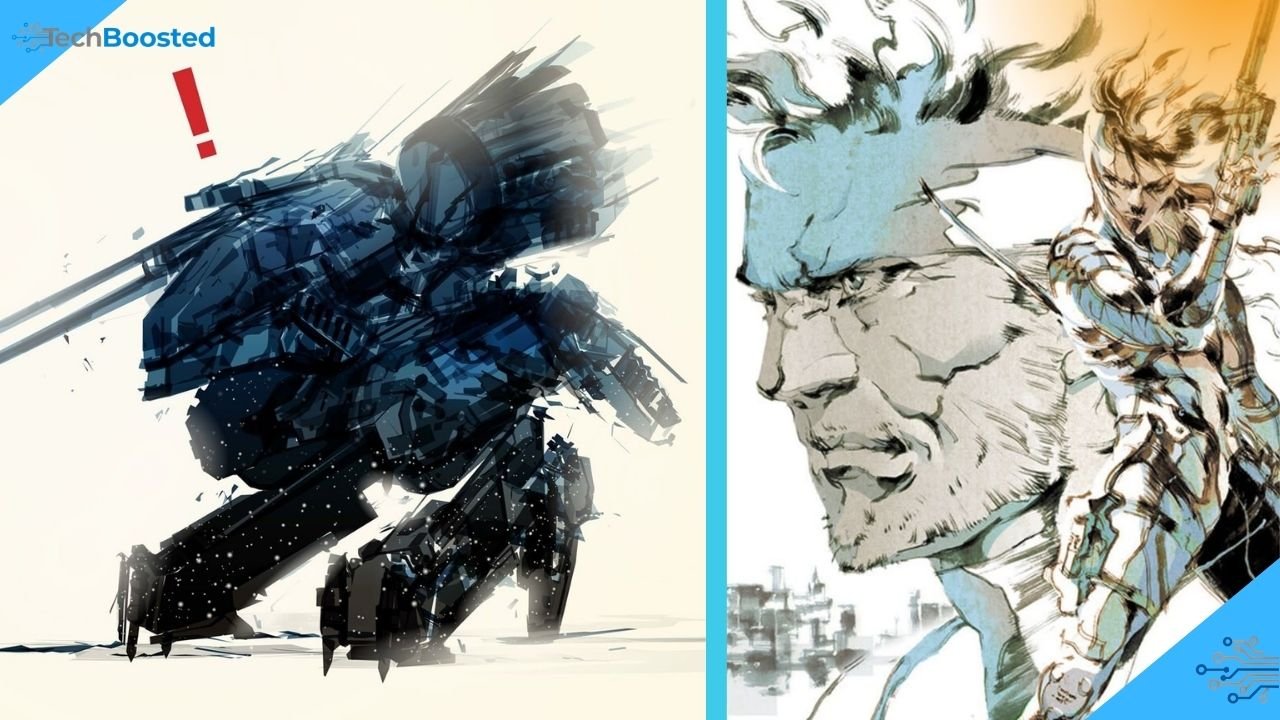
Raiden and Solid Snake
Raiden serves as the player’s primary perspective in MGS2, offering a fresh viewpoint compared to Solid Snake. Initially inexperienced, Raiden grows into a capable operative, reflecting themes of identity and self-discovery. Players experience his vulnerabilities, making him relatable in a high-stakes environment.
Solid Snake acts as a mentor and symbol of experience, bridging the gap between the first game and the sequel. His return provides continuity while emphasizing generational differences in skill, philosophy, and perspective. Together, Raiden and Solid Snake form a compelling duo that drives the narrative forward in Metal Gear Solid 2.
Antagonists and Villains
MGS2 introduces a range of antagonists, from rogue AI to human conspirators. The Patriots, a shadowy organization controlling global information, serve as central antagonists. Their manipulative schemes challenge players to question authority and the role of technology in society.
Key villain characters, like Solidus Snake, create moral ambiguity, adding depth to the storyline. These characters force players to navigate ethical dilemmas while completing missions. By integrating complex antagonists, Metal Gear Solid 2 elevates traditional gaming narratives to thought-provoking storytelling experiences.
Gameplay Mechanics and Controls
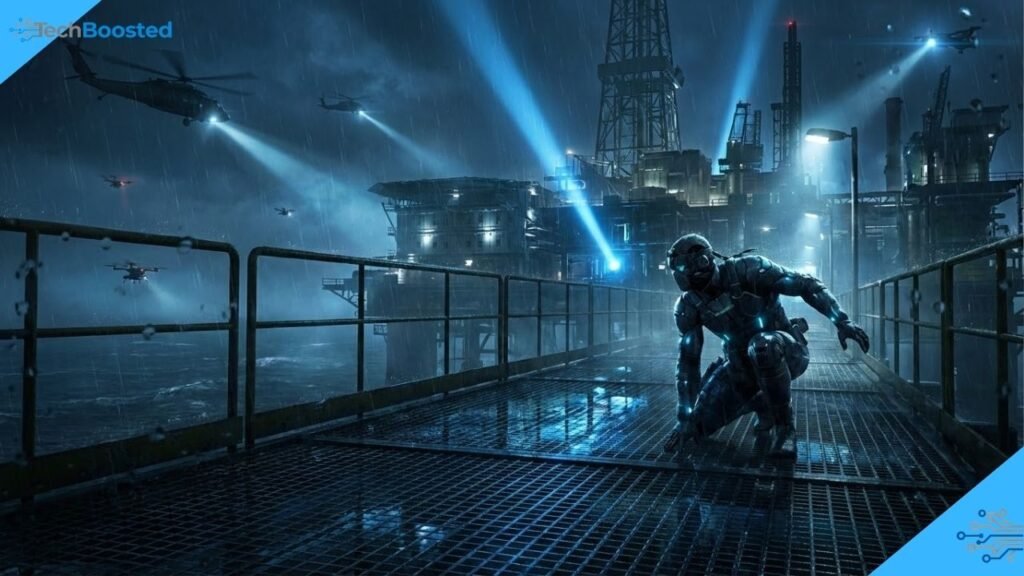
Metal Gear Solid 2 refines stealth-action mechanics, giving players options to approach situations tactically. Players can use cover, distraction, and evasion techniques to complete objectives without direct confrontation. These mechanics reward strategic thinking over brute force.
The game also introduces realistic AI behavior, making enemy patrols and reactions more dynamic. Controls are intuitive yet versatile, allowing players to adapt to various combat and stealth scenarios. By balancing complexity with accessibility, Metal Gear Solid 2 sets a high standard for immersive gameplay.
Stealth Elements and Strategy Tips
Stealth is at the core of MGS2, encouraging players to avoid detection through clever movement and environmental interaction. Hiding behind objects, timing patrols, and using gadgets like the radar are crucial for success.
Effective strategy involves planning paths, observing enemy patterns, and using distractions to bypass obstacles. Players who master these tactics find greater rewards and fewer setbacks. Metal Gear Solid 2 emphasizes strategic thinking, reinforcing its reputation as a premier stealth-action experience.
Weapons and Equipment in MGS2
MGS2 offers a diverse arsenal, including firearms, explosives, and non-lethal options. Players can customize loadouts to suit different playstyles, from aggressive combat to full stealth operations.
Special equipment like the cardboard box, silenced weapons, and remote-controlled devices enhances gameplay versatility. Understanding the strengths and weaknesses of each tool is vital. The thoughtful integration of weapons and equipment ensures that Metal Gear Solid 2 remains engaging and strategic.
Boss Battles and Challenges
Metal Gear Solid 2 is renowned for its challenging boss encounters, which test both reflexes and strategic thinking. Each boss requires players to identify weaknesses, use the environment effectively, and adapt tactics in real-time. These battles break the monotony of standard missions while providing memorable gameplay moments.
From high-tech mechs to skilled human adversaries, each confrontation in MGS2 combines cinematic presentation with interactive strategy. Learning attack patterns and exploiting vulnerabilities emphasizes player skill over luck, reinforcing the game’s reputation as a benchmark for tactical stealth-action gaming.
Storytelling Techniques and Cutscenes
Storytelling in Metal Gear Solid 2 is cinematic and immersive, blending gameplay seamlessly with narrative exposition. Cutscenes are used extensively, delivering intricate plot details while keeping players engaged in the unfolding drama.
The game also employs perspective shifts, dialogue choices, and environmental storytelling to deepen immersion. This dynamic narrative structure challenges conventional linear storytelling and highlights the game’s emphasis on philosophy, information control, and character development, solidifying MGS2 as a storytelling pioneer.
Themes and Symbolism in Metal Gear Solid 2
MGS2 explores complex themes like identity, the influence of technology, and the nature of truth. Through its plot, characters, and dialogue, it encourages players to reflect on the consequences of information control and societal manipulation.
Symbolism is woven throughout, from recurring motifs to narrative parallels between characters. Themes of surveillance, freedom, and human agency resonate with contemporary technological debates. By embedding these elements, Metal Gear Solid 2 elevates its narrative beyond traditional gaming experiences.
Visuals and Audio Design
Visual presentation in Metal Gear Solid 2 pushes the PlayStation 2 hardware to deliver detailed environments, realistic character models, and dynamic lighting. Cinematic angles and camera work enhance tension, immersion, and narrative delivery.
Complementing visuals, the game’s audio design, including voice acting, sound effects, and music, heightens the emotional impact. Subtle audio cues alert players to nearby threats, while musical themes reinforce dramatic moments. Together, visuals and audio make MGS2 a fully immersive stealth-action experience.
Replayability and Side Missions
Replayability is a major strength of Metal Gear Solid 2. Multiple paths, optional side missions, and collectibles encourage players to explore different strategies and approaches, extending game longevity.
Side missions often reveal character backstories, unlock new equipment, and provide additional challenges. This design promotes experimentation with stealth tactics, combat techniques, and narrative choices. MGS2 rewards player curiosity, making each playthrough a unique experience.
Fan Theories and Hidden Secrets
The complexity of Metal Gear Solid 2 has inspired numerous fan theories and speculation. Hidden dialogue, secret areas, and cryptic plot elements invite players to analyze story layers and character motivations.
Fans often debate interpretations of the Patriots’ motives, Raiden’s journey, and symbolic references throughout the game. These mysteries contribute to a rich community dialogue and lasting engagement, ensuring that Metal Gear Solid 2 remains culturally and intellectually relevant years after its release.
Impact on the Gaming Industry
Metal Gear Solid 2 influenced how narrative and gameplay integrate in modern games. Its cinematic storytelling, stealth mechanics, and philosophical depth set a precedent for future titles in both stealth and action genres.
Game designers continue to cite MGS2’s innovations in AI, level design, and narrative structure. Its influence extends to industry standards for storytelling, character development, and gameplay complexity. By pushing technological and narrative boundaries, Metal Gear Solid 2 reshaped expectations for video games.
Conclusion
Metal Gear Solid 2 stands as a landmark title in gaming history, combining strategic gameplay, immersive storytelling, and thought-provoking themes. Its characters, cutscenes, and narrative structure continue to inspire developers and engage players worldwide.
By blending stealth mechanics with philosophical reflection, MGS2 demonstrates the power of games as an artistic and interactive medium. Its legacy endures through ongoing discussions, fan theories, and the influence it exerts on modern video game design, cementing its status as a classic masterpiece.
Frequently Asked Question
What platforms is Metal Gear Solid 2 available on?
Originally on PlayStation 2, now also available on PC and PlayStation 3/4 collections.
Who are the main characters in MGS2?
Raiden and Solid Snake serve as protagonists, with supporting characters like Otacon and Colonel Campbell.
What makes MGS2’s story unique?
It combines political intrigue, AI themes, and philosophical exploration with stealth-action gameplay.
Are there side missions in MGS2?
Yes, optional missions provide additional challenges, story depth, and rewards.
Why is Metal Gear Solid 2 considered a classic?
For its innovative storytelling, cinematic presentation, immersive stealth gameplay, and enduring impact on the industry.
Can new players enjoy MGS2 today?
Absolutely, its narrative and gameplay mechanics remain engaging and influential.
Stay updated with TECHBOOSTED for more Technologies news.