The modern digital world has pushed technology into the center of global security, economic stability, and national defense. Cyber warfare, ransomware campaigns, state-sponsored hacking, and AI-driven attacks have permanently altered how organizations view technology teams. Today, IT Essentials are no longer limited to troubleshooting systems or managing hardware; they now form the backbone of resilience, continuity, and digital trust. Businesses, governments, and institutions depend on IT professionals to protect data, maintain uptime, and respond to threats that can emerge at any moment. As cyber conflicts escalate, IT departments have evolved into strategic defense units, shaping how organizations survive and compete in an increasingly hostile digital environment.
The Evolution of IT from Support Desk to Strategic Command
In the past, IT teams were often treated as background support, responsible for fixing computers and maintaining internal networks. That era has ended. The rise of cloud computing, remote work, and digital supply chains has elevated IT Essentials into a mission-critical discipline. Every transaction, communication channel, and operational system now depends on secure and stable infrastructure. Cyber war tactics target these dependencies, forcing organizations to rethink IT as a strategic command center rather than a cost center. Decision-makers now involve IT leaders in boardroom discussions because technology failures can instantly translate into financial loss, reputational damage, or operational paralysis.
Cyber Warfare and Its Direct Impact on Organizations
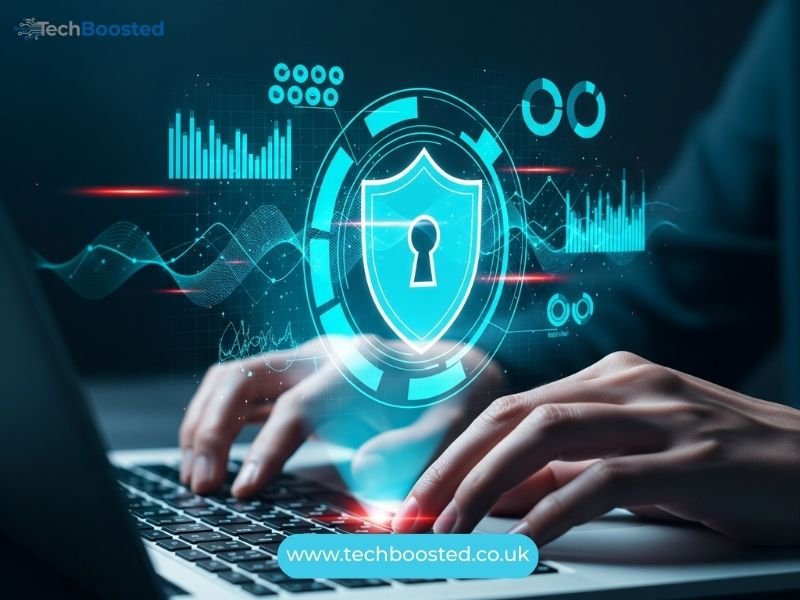
Cyber warfare is no longer a theoretical risk it is an everyday reality. Attacks on hospitals, energy grids, financial institutions, and logistics networks demonstrate how digital conflicts spill into the physical world. Understanding IT Essentials has become mandatory for organizations aiming to defend themselves against sophisticated adversaries. Threat actors exploit weak configurations, outdated software, and poor access controls to infiltrate systems. As attacks become more automated and AI-powered, IT teams must continuously adapt, monitor, and respond in real time. The battlefield is digital, but the consequences are deeply real.
Why Cybersecurity Is Now a Core IT Responsibility
Cybersecurity has shifted from a specialized function to a foundational requirement of IT Essentials. Firewalls, endpoint protection, identity management, and encryption are no longer optional add-ons. Organizations expect IT teams to design systems that are secure by default, resilient under attack, and capable of rapid recovery. Zero-trust architectures and continuous monitoring are becoming standard practice. This shift reflects a broader understanding that cybersecurity failures can disrupt entire operations, making IT professionals frontline defenders in a new era of digital conflict.
The Role of Cloud Infrastructure in Modern IT Strategy
Cloud platforms have transformed how businesses scale and innovate, but they have also expanded the attack surface. Managing cloud environments is now a critical part of IT Essentials, requiring expertise in configuration security, access governance, and workload monitoring. Misconfigured cloud services are among the leading causes of data breaches today. IT teams must balance agility with control, ensuring that cloud resources remain secure while supporting rapid deployment. Cyber war scenarios increasingly target cloud dependencies, making cloud resilience a strategic priority.
AI, Automation, and the Changing Nature of IT Work
Artificial intelligence and automation are reshaping how IT teams operate. Routine tasks such as patch management, threat detection, and performance monitoring are increasingly automated. However, this does not reduce the importance of IT Essentials it amplifies it. IT professionals must now understand how automated systems work, how AI models make decisions, and how attackers might exploit automation itself. Cyber warfare increasingly involves AI-driven attacks, forcing IT teams to adopt equally intelligent defenses.
Data Protection as a Strategic Asset
Data has become one of the most valuable assets organizations possess, making it a prime target during cyber conflicts. Protecting sensitive information is a core component of IT Essentials, encompassing backup strategies, encryption, access controls, and compliance management. Data breaches can undermine customer trust and trigger regulatory penalties, especially in highly regulated industries. IT teams must ensure data integrity and availability even under attack, reinforcing the role of IT as a guardian of digital assets.
Incident Response and Crisis Management
When cyber incidents occur, the speed and effectiveness of the response determine the scale of damage. Incident response planning is now a fundamental part of IT Essentials. IT teams must coordinate with legal, communications, and executive leadership to contain threats and restore operations. Cyber war conditions demand rehearsed response plans, real-time visibility, and clear decision-making authority. Organizations that fail to prepare often suffer prolonged downtime and cascading failures.
The Skills Modern IT Professionals Must Master
The skill set required for IT professionals has expanded dramatically. Beyond technical troubleshooting, IT Essentials now include risk assessment, threat intelligence, compliance knowledge, and strategic planning. Soft skills such as communication and leadership are equally important, as IT teams must explain complex risks to non-technical stakeholders. Continuous learning is essential because cyber threats evolve faster than traditional training cycles.
Regulatory Pressure and Compliance Challenges
Governments worldwide are introducing stricter data protection and cybersecurity regulations. Compliance is no longer a legal afterthought but a core element of IT Essentials. IT teams must ensure systems meet regulatory standards while remaining flexible and scalable. Failure to comply can result in severe penalties and operational restrictions, especially during high-profile cyber incidents that attract regulatory scrutiny.
Remote Work and the Expanded Attack Surface
Remote and hybrid work models have permanently altered enterprise networks. Devices, home networks, and cloud tools have become part of the corporate perimeter. Managing this complexity is now central to IT Essentials. IT teams must secure endpoints, enforce access policies, and educate users about cyber hygiene. Cyber warfare tactics increasingly exploit remote work vulnerabilities, making secure remote access a strategic necessity.
Business Continuity in an Era of Digital Conflict
Business continuity planning has evolved to account for cyber warfare scenarios. IT Essentials now include disaster recovery strategies that assume deliberate, persistent attacks rather than accidental outages. Redundant systems, immutable backups, and rapid failover mechanisms are critical. Organizations that invest in continuity planning are better positioned to withstand prolonged cyber disruptions.
The Economic Impact of Cyber Attacks
Cyber attacks can cripple businesses financially, disrupting operations and eroding customer confidence. Understanding IT Essentials helps organizations quantify and mitigate these risks. Cyber insurance, risk modeling, and investment in preventive controls are becoming standard financial considerations. IT leaders increasingly influence budget decisions because technology resilience directly affects profitability.
Collaboration Between IT and Executive Leadership
Effective defense against cyber threats requires alignment between IT teams and executive leadership. IT Essentials provide the technical foundation, but strategic decisions must come from the top. Boards now expect regular cybersecurity briefings and risk assessments. This collaboration ensures that IT initiatives align with organizational goals and risk tolerance.
The Future of IT in a Cyber-Driven World
As digital conflicts intensify, the role of IT will continue to expand. IT Essentials will increasingly focus on predictive analytics, threat intelligence sharing, and cross-industry collaboration. IT teams will play a central role in shaping digital policy, resilience strategies, and innovation frameworks. The future belongs to organizations that treat IT as a strategic asset rather than a support function.
Conclusion
Cyber war has permanently transformed the role of technology within organizations. IT Essentials now define how businesses protect themselves, maintain trust, and ensure continuity in an unpredictable digital landscape. IT teams are no longer behind the scenes; they are on the frontline of defense, innovation, and resilience. Organizations that invest in strong IT foundations will be better prepared to navigate the challenges of an increasingly hostile cyber environment.
FAQs
What does IT Essentials mean in today’s cyber environment?
It refers to the core technologies, skills, and strategies required to secure, operate, and defend modern digital systems.
Why has cybersecurity become central to IT roles?
Because cyber threats directly impact operations, finances, and reputation, making security a foundational responsibility.
How has cyber warfare changed IT priorities?
It has shifted focus toward resilience, real-time monitoring, and rapid incident response.
Are cloud systems more vulnerable to cyber attacks?
Cloud systems can be secure, but misconfigurations and poor access controls increase risk.
What skills are most important for modern IT professionals?
Cybersecurity awareness, cloud management, automation, and strategic communication are critical.
How can businesses prepare for cyber-related disruptions?
By investing in continuity planning, employee training, and proactive security measures.
To stay updated on emerging technology trends, cybersecurity insights, and digital transformation trends, make sure to stay connected with techboosted.co.uk for the latest expert analysis and updates.