Table of Contents
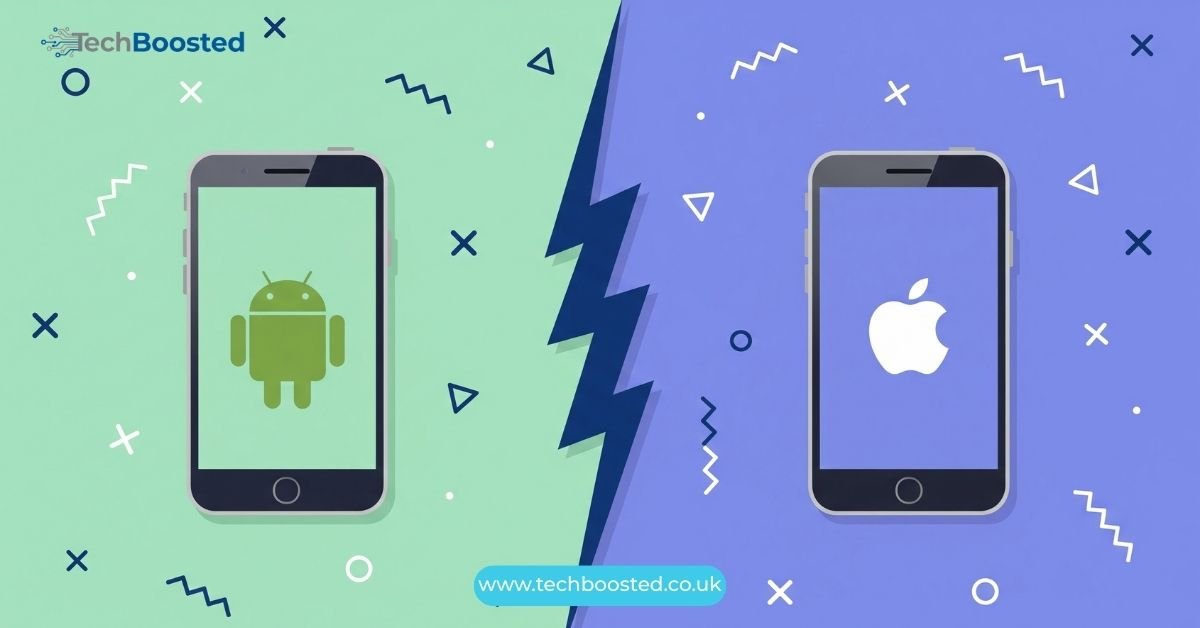
The long-running debate of iPhone vs Android has reached a critical point in 2026 as smartphones become central to work, finance, and daily communication. Switching platforms is no longer a casual decision because users are deeply tied to ecosystems, cloud services, and long-term habits. Many people now consider switching due to pricing changes, AI features, or dissatisfaction with closed systems. Understanding the real implications of switching helps users avoid regret. This article explores iPhone vs Android from an objective, user-first perspective, focusing on ecosystem impact, costs, performance, privacy, and long-term value so readers can decide which platform truly fits their needs in 2026.
Ecosystem Lock-In Reality
One of the most decisive factors in iPhone vs Android is ecosystem lock-in. Apple devices work as a tightly connected network, allowing seamless syncing between phones, laptops, tablets, and wearables through services like iCloud. Android, built by Google, emphasizes flexibility and compatibility across brands. Switching ecosystems often means leaving behind convenience features users take for granted. In iPhone vs Android, Apple users may struggle with reduced integration after switching, while Android switchers gain flexibility but lose uniformity. Understanding ecosystem lock-in is critical before switching platforms in 2026.
Hidden Switching Costs
Switching costs are often underestimated in iPhone vs Android decisions. Beyond the phone purchase, users may need to replace chargers, cables, smartwatches, and paid apps. Subscriptions sometimes transfer, but one-time purchases usually do not. Time is another hidden cost, as reconfiguring settings, notifications, and app preferences can take days. In iPhone vs Android, migration tools help with contacts and photos but rarely with habits. Evaluating these hidden costs helps users plan realistically and avoid frustration after switching platforms.
Performance in Real Life
Performance gaps in iPhone vs Android have narrowed significantly by 2026. Both platforms handle everyday tasks smoothly, including multitasking, gaming, and AI-driven features. Apple devices benefit from tight hardware and software optimization, while Android devices offer a wide range of performance options. In iPhone vs Android, real-world performance depends more on sustained usage, battery efficiency, and thermal management than benchmarks. Users switching platforms should focus on consistency over time rather than peak performance numbers when comparing devices.
Software Experience Shift
The software experience defines daily satisfaction in iPhone vs Android. Apple’s iOS prioritizes consistency, predictable updates, and a controlled interface. Android emphasizes customization, allowing users to modify launchers, gestures, and system behavior. Switching platforms in iPhone vs Android often feels like moving between philosophies rather than quality levels. Some users feel restricted on iOS, while others feel overwhelmed on Android. Understanding these differences helps users choose a platform that matches their comfort level and technical preferences.
Update and Support Policies
Software updates are a major consideration in iPhone vs Android. Apple typically supports iPhones with updates for five to six years, providing security and feature consistency. Android update policies vary by manufacturer, with flagship models receiving longer support than budget devices. In iPhone vs Android, users prioritizing longevity often prefer Apple’s predictable updates. Those choosing Android must research brand-specific commitments. Long-term support directly affects device value, security, and overall user satisfaction in 2026.
Privacy and Data Control
Privacy plays a central role in iPhone vs Android comparisons. Apple markets privacy as a core feature, emphasizing on-device processing and minimal data sharing. Android has improved transparency and permission controls, but data handling depends on manufacturers and apps. Switching platforms in iPhone vs Android may require users to actively manage permissions to maintain comfort levels. Privacy today is less about platform weakness and more about user awareness, making education essential when changing devices.
App Ecosystem Strength
App availability is strong on both sides, but iPhone vs Android differences remain. Most major apps launch on both platforms, yet optimization often favors iOS due to fewer device variations. Android offers more freedom through sideloading and alternative app stores. In iPhone vs Android, users with niche or professional app needs should verify compatibility before switching. App ecosystem strength now depends on reliability and consistency rather than sheer quantity, especially for productivity-focused users.
Customization vs Simplicity
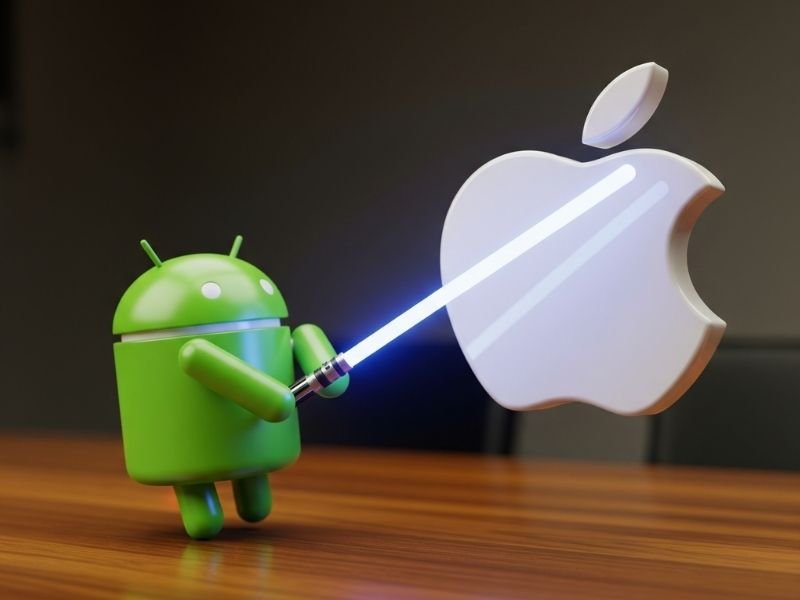
Customization is a defining contrast in iPhone vs Android. Android allows deep interface changes, widgets, and automation tools. Apple focuses on simplicity and uniformity, limiting customization to preserve stability. Switching platforms in iPhone vs Android often forces users to rethink how much control they want. Some users value freedom, while others prefer a polished, predictable experience. Understanding this balance helps users choose a platform that complements their daily routines.
Hardware Variety and Pricing
Hardware diversity strongly favors Android in iPhone vs Android comparisons. Android devices span a wide range of prices, designs, and features, offering options for every budget. Apple maintains a smaller, premium-focused lineup. Switching platforms in iPhone vs Android may open access to better value devices or premium consistency, depending on priorities. Pricing flexibility is a major reason users consider switching in 2026, especially in cost-sensitive markets.
Productivity and Workflows
Productivity outcomes differ across iPhone vs Android based on ecosystem usage. Apple devices integrate smoothly with Macs and iPads, benefiting users already invested in that environment. Android offers better multitasking and cross-platform compatibility with Windows and cloud services. Switching platforms in iPhone vs Android can either enhance or disrupt workflows depending on existing tools. Evaluating daily work habits ensures the new platform supports efficiency rather than creating friction.
Long-Term Value
Long-term value is a critical lens for iPhone vs Android decisions. iPhones retain resale value longer due to extended updates and brand demand. Android devices depreciate faster but offer lower upfront costs. Switching platforms in iPhone vs Android requires balancing immediate savings against long-term benefits. Understanding value over time helps users make financially sound decisions rather than focusing solely on initial pricing.
Conclusion
The truth about switching in iPhone vs Android is that modern smartphones are equally capable but philosophically different. Hardware gaps have closed, making user experience the deciding factor. Switching platforms requires adapting habits, not just learning new interfaces. By understanding ecosystem dependence, software design, privacy expectations, and long-term costs, users can switch confidently. In 2026, success lies in choosing the platform that complements how you work, communicate, and manage digital life rather than following trends or marketing narratives.
FAQs
Is switching between platforms easier in 2026?
Yes, data transfer tools are better, but some apps and settings still require manual setup.
Will I lose purchased apps after switching?
Paid apps usually don’t transfer and may need to be repurchased.
Which platform gets longer updates?
iPhones typically receive updates for more years than most Android devices.
Does switching change privacy controls?
Yes, privacy settings differ and should be reviewed after switching.
Are accessories interchangeable?
Many accessories are platform-specific and may need replacement.
Which is better for work tasks?
Productivity depends on workflow preferences and ecosystem usage.
Stay connected with Techboosted.co.uk through our latest mobile insights.