

Introduction to the Cyber Security and Resilience Bill and Its Strategic Importance
The Cyber Security and Resilience Bill stands as a landmark piece of legislation aimed at transforming how the nation confronts the ever-expanding landscape of digital threats in an interconnected world. Introduced amid rising incidents of ransomware, data breaches, and state-backed hacking campaigns, this bill seeks to establish a unified regulatory structure that compels organizations to prioritize cybersecurity as a core operational imperative. Cyber Security and Resilience Bill goes beyond traditional defenses by integrating resilience mechanisms that ensure continuity even during active attacks, drawing lessons from high-profile disruptions like the Colonial Pipeline ransomware incident and the NHS WannaCry outbreak. It targets critical sectors including energy, water supply, transportation, and digital services, mandating a shift from compliance-driven security to outcome-based resilience. By aligning with international standards such as the NIST framework and the EU’s Cybersecurity Act, the bill positions the country to lead in global cyber defense collaborations. This proactive stance is crucial as cyber threats now cost economies billions annually, with projections indicating a potential global GDP impact of over $10 trillion by 2025 if unaddressed. The Cyber Security and Resilience Bill thus serves as a foundational tool for safeguarding economic stability, protecting citizen data, and maintaining public service integrity in the face of sophisticated adversaries.
Regulatory Scope and Applicability of the Cyber Security and Resilience Bill
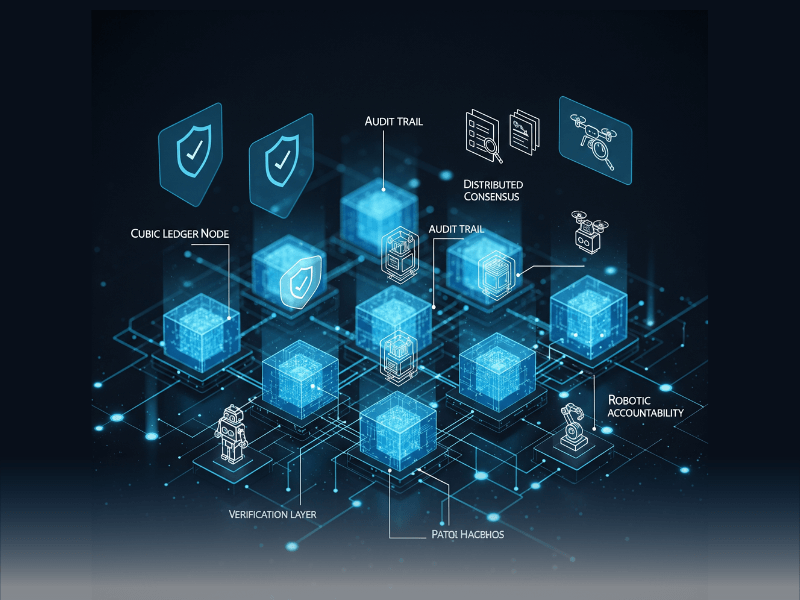
At its core, the Cyber Security and Resilience Bill defines a clear regulatory perimeter that encompasses a wide array of entities previously operating in fragmented oversight environments. It categorizes organizations into operators of essential services (OES), digital service providers (DSPs), and managed service providers (MSPs), each with tailored obligations based on their systemic importance. For OES in sectors like electricity generation and distribution, the bill requires registration with a designated regulator and submission of security improvement plans within six months of enactment. DSPs, including cloud platforms and online marketplaces, must implement baseline security measures such as encryption for data in transit and at rest. The Cyber Security and Resilience Bill introduces a risk-based tiering system where high-impact entities face annual independent audits, while smaller operators undergo biennial self-assessments verified by certified professionals. This scalability prevents overburdening SMEs, which constitute over 99% of businesses, yet ensures no weak links in the national infrastructure chain. Cross-sector dependencies are mapped through mandatory reporting, enabling regulators to identify and mitigate cascading risks, ultimately creating a more cohesive and enforceable cybersecurity ecosystem under the Cyber Security and Resilience Bill.
Mandatory Risk Assessment Protocols Under the Cyber Security and Resilience Bill
Risk assessment forms the bedrock of compliance within the Cyber Security and Resilience Bill, requiring organizations to conduct thorough evaluations using approved methodologies at least every 12 months or following significant network changes. These assessments must incorporate threat modeling, asset inventory, and vulnerability scanning, with results documented in a standardized format for regulatory review. The bill specifies integration of external threat intelligence feeds from sources like the National Cyber Security Centre to inform dynamic risk profiles. High-risk findings trigger immediate remediation timelines, with escalation to board level if unresolved within 90 days. The Cyber Security and Resilience Bill also mandates scenario-based testing, including simulations of advanced persistent threats (APTs) and insider attacks, to validate risk assumptions. By institutionalizing these protocols, the legislation moves organizations from static checklists to living risk management processes that adapt to emerging vectors like zero-day exploits and AI-generated malware, thereby elevating overall preparedness and resilience.
Incident Reporting Obligations in the Cyber Security and Resilience Bill
One of the most transformative elements of the Cyber Security and Resilience Bill is its stringent incident reporting framework, designed to create a real-time national threat picture. Organizations must report significant incidents—defined by criteria such as data compromise affecting over 1,000 individuals or disruption lasting more than four hours—within 24 hours of detection to the central authority. Initial reports include incident classification, affected systems, and preliminary impact assessments, followed by detailed root cause analyses within 72 hours. The Cyber Security and Resilience Bill establishes secure reporting portals with end-to-end encryption and anonymization options for sensitive commercial data. This rapid notification enables cross-sector alerts, government technical assistance deployment, and coordinated containment measures. Historical data shows that delayed reporting exacerbates damage by 30-50%, making this provision critical for minimizing national-level consequences and fostering a culture of transparency that strengthens collective defense under the Cyber Security and Resilience Bill.
Supply Chain Security Requirements Outlined in the Cyber Security and Resilience Bill
Addressing the Achilles’ heel of modern networks, the Cyber Security and Resilience Bill dedicates extensive provisions to supply chain risk management, recognizing that over 60% of breaches involve third-party compromise. Entities must maintain a verified supplier register, conducting due diligence that includes security posture questionnaires, on-site audits for critical vendors, and continuous monitoring via shared threat feeds. The bill introduces contractual mandates for flow-down security requirements, ensuring subcontractors meet the same standards as prime providers. A novel “secure by design” certification scheme allows pre-approved vendors to streamline procurement while maintaining rigor. For strategic sectors, the Cyber Security and Resilience Bill empowers regulators to impose domestic preference policies or ban high-risk foreign components, balancing security with market dynamics. Regular supply chain mapping exercises identify concentration risks, such as over-reliance on single software providers, with diversification plans required where vulnerabilities exceed tolerance thresholds. This comprehensive approach closes the gaps exposed in incidents like the Kaseya VSA attack, fortifying the entire ecosystem through the Cyber Security and Resilience Bill.
Resilience Planning and Business Continuity Mandates
Resilience transcends prevention in the Cyber Security and Resilience Bill, with mandatory development of integrated continuity and recovery strategies that ensure operational survival during prolonged cyber events. Organizations must craft business continuity plans (BCPs) covering 72-hour outage scenarios, incorporating offline capabilities, manual processes, and alternate communication channels. Disaster recovery objectives include recovery time objectives (RTOs) under six hours for critical functions and recovery point objectives (RPOs) minimizing data loss to one hour. The Cyber Security and Resilience Bill requires annual testing through live exercises, with after-action reports driving iterative improvements. Immutable backups, air-gapped storage, and multi-region cloud replication are specified for ransomware resistance. SMEs receive government-subsidized tools and templates to meet these standards, democratizing resilience capabilities. By embedding these requirements, the legislation ensures that even successful attacks result in contained damage and swift restoration, preserving essential services and economic function under the Cyber Security and Resilience Bill.
Enforcement Mechanisms and Compliance Framework
Effective enforcement underpins the Cyber Security and Resilience Bill through a graduated penalty structure administered by an independent cybersecurity regulator. Minor infractions trigger improvement notices with 30-day remediation windows, while systemic failures incur fines scaling to 4% of global turnover or £20 million, whichever is higher. The bill establishes a compliance certification program where organizations achieving exemplary standards receive public recognition and reduced audit frequency. Board members face personal liability for willful neglect, with mandatory cybersecurity training and annual attestations of oversight effectiveness. Random inspections and mystery shopper exercises supplement self-reporting to verify authenticity. The Cyber Security and Resilience Bill includes safe harbor provisions for entities demonstrating good-faith efforts during incidents, encouraging cooperation over concealment. This balanced regime drives investment in security capabilities while maintaining proportionality across the diverse organizational landscape.
International Cooperation Provisions in the Cyber Security and Resilience Bill
Global interconnectedness demands international alignment, which the Cyber Security and Resilience Bill addresses through dedicated cooperation chapters. It authorizes participation in multilateral forums like the UN Group of Governmental Experts and bilateral agreements for real-time threat sharing. Standardized data formats enable seamless exchange of indicators of compromise (IOCs) with trusted partners, enhancing preemptive blocking capabilities. The bill funds joint research initiatives on emerging threats such as quantum computing risks and 6G security. Diplomatic immunity protections facilitate cross-border incident response teams during major events. By positioning the nation as a reliable international partner, the Cyber Security and Resilience Bill amplifies domestic protections through collective intelligence while contributing to global stability in cyberspace.
Sector-Specific Implementation Guidelines
Recognizing sectoral nuances, the Cyber Security and Resilience Bill provides tailored implementation roadmaps for 11 critical infrastructure domains. Healthcare providers must secure medical IoT devices with device certificates and implement patient data segmentation. Financial institutions face enhanced requirements for transaction monitoring and cryptographic key management. Transportation operators prioritize signaling system isolation and GPS spoofing defenses. Each sector receives dedicated guidance documents, consultation periods, and phased compliance timelines extending to 36 months for complex legacy systems. The Cyber Security and Resilience Bill establishes sector-specific information sharing and analysis centers (ISACs) to disseminate targeted threat intelligence and best practices, ensuring relevance and effectiveness across diverse operational environments.
Innovation and Workforce Development Initiatives
Future-proofing forms a forward-looking pillar of the Cyber Security and Resilience Bill, allocating funding for research into post-quantum cryptography, homomorphic encryption, and AI-driven autonomous defense systems. Public-private innovation hubs receive grants to prototype solutions addressing bill-identified gaps. Workforce provisions mandate cybersecurity modules in relevant university curricula and establish apprenticeship schemes targeting 50,000 new professionals within five years. The Cyber Security and Resilience Bill creates a national certification framework recognizing skills from entry-level technicians to chief information security officers. Continuous professional development requirements ensure practitioners maintain currency with evolving threats, building a sustainable talent pipeline essential for long-term implementation success.
Conclusion
The Cyber Security and Resilience Bill represents a comprehensive, adaptable framework that addresses contemporary cyber risks while preparing for future challenges through structured regulation, enforced standards, and collaborative mechanisms. By mandating risk assessment, incident reporting, supply chain security, resilience planning, and innovation investment across critical sectors, it creates a resilient digital foundation capable of withstanding sophisticated threats. Successful implementation will require committed leadership, resource allocation, and cultural transformation within organizations, but the payoff includes reduced breach impacts, preserved economic value, and enhanced public trust in digital systems. As cyber threats continue evolving, the Cyber Security and Resilience Bill provides the legislative agility and enforcement teeth necessary to maintain national cyber sovereignty and prosperity.
FAQs
What is the main goal of the Cyber Security and Resilience Bill?
The primary objective is to establish mandatory cybersecurity and resilience standards across critical infrastructure to prevent, detect, respond to, and recover from cyber incidents effectively.
Which organizations must comply with the Cyber Security and Resilience Bill?
It applies to operators of essential services, digital service providers, managed service providers, and entities supporting critical national infrastructure, with tiered requirements based on risk profile.
What are the reporting deadlines for cyber incidents under the bill?
Significant incidents must be reported within 24 hours of detection, with detailed follow-up reports required within 72 hours.
How does the Cyber Security and Resilience Bill handle supply chain security?
It requires vendor risk assessments, security clause contracts, continuous monitoring, and potential bans on high-risk foreign components in strategic sectors.
What penalties apply for non-compliance with the bill?
Fines can reach 4% of global annual turnover or £20 million, with graduated sanctions starting from improvement notices for minor violations.
Does the Cyber Security and Resilience Bill support small businesses?
Yes, it provides scaled requirements, government-funded tools, templates, and extended compliance timelines to help SMEs meet standards without disproportionate burden.
Stay connected with techboosted.co.uk for cutting-edge updates on AI advancements and technology trends.