
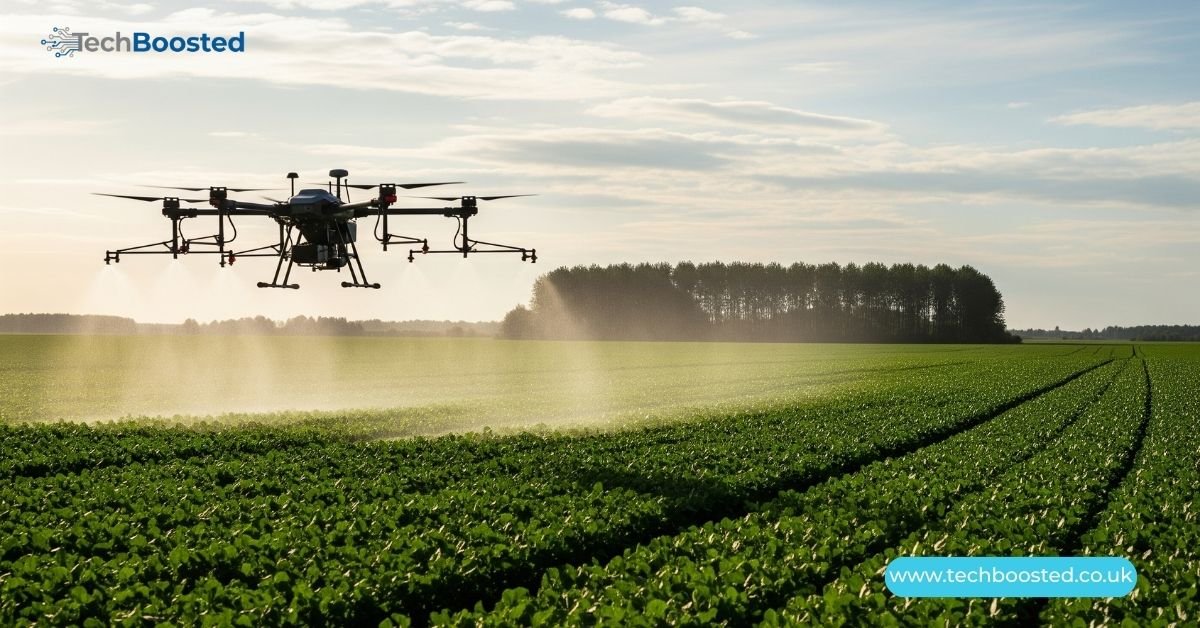
Agro drones have rapidly emerged as one of the most transformative technologies in modern agriculture, reshaping how farmers monitor crops, manage resources, and increase yields. As global food demand rises and climate uncertainty intensifies, traditional farming methods are often no longer sufficient to ensure efficiency and sustainability. Agro drones offer a data-driven approach that enables farmers to make informed decisions in real time. By combining aerial imaging, sensors, and intelligent software, these drones provide insights that were once expensive, time-consuming, or simply impossible to obtain through manual field inspection.
What Are Agro Drones and How Do They Work
Agro drones are unmanned aerial vehicles specifically designed for agricultural applications. They are equipped with high-resolution cameras, multispectral sensors, GPS modules, and sometimes spraying systems. These drones fly over farmland to capture detailed data about crop health, soil conditions, and irrigation patterns. The collected information is processed through specialized software that converts raw images into actionable insights, allowing farmers to identify problems early and respond with precision rather than relying on guesswork.
The Rise of Precision Agriculture
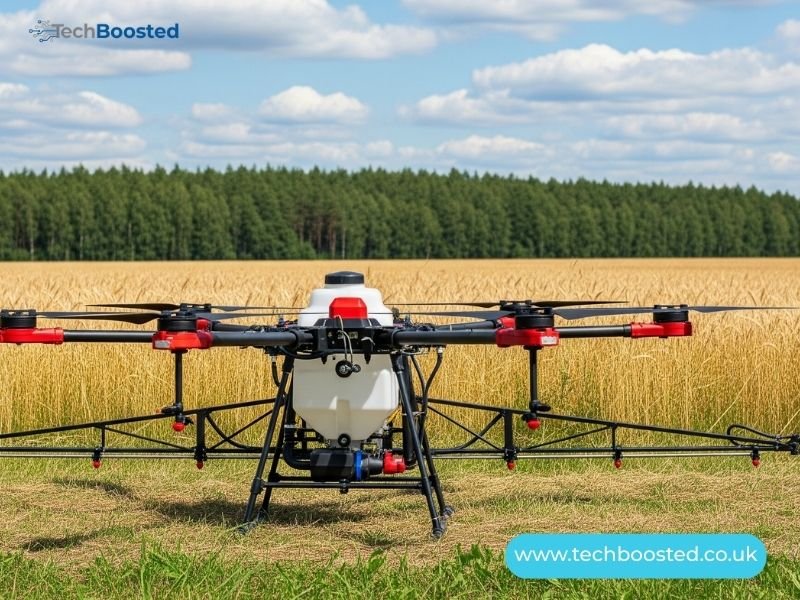
Precision agriculture focuses on optimizing farming inputs such as water, fertilizers, and pesticides based on exact field conditions rather than uniform application. Agro drones are at the heart of this approach. By providing field-level data, they allow farmers to treat only the areas that need attention. This targeted strategy reduces waste, lowers costs, and minimizes environmental impact while improving overall productivity. Precision agriculture powered by drones represents a shift from reactive farming to proactive crop management.
Crop Health Monitoring and Disease Detection
One of the most valuable applications of agro drones is crop health monitoring. Using multispectral and thermal imaging, drones can detect stress in plants long before it becomes visible to the naked eye. Changes in color, temperature, or reflectance patterns often indicate nutrient deficiencies, pest infestations, or disease outbreaks. Early detection enables farmers to intervene promptly, preventing yield losses and reducing the need for large-scale chemical treatments.
Efficient Pest and Weed Management
Pests and weeds are major threats to agricultural productivity. Agro drones help identify affected areas with high accuracy, allowing farmers to apply pesticides or herbicides only where necessary. Some advanced drones are equipped with precision spraying systems that deliver chemicals directly to targeted zones. This approach not only reduces chemical usage but also protects beneficial insects and surrounding ecosystems, making farming more environmentally responsible.
Soil Analysis and Field Mapping
Understanding soil variability is crucial for effective crop management. Agro drones generate detailed field maps that reveal differences in soil moisture, texture, and fertility. These insights help farmers plan planting strategies, adjust irrigation schedules, and optimize fertilizer application. Accurate field mapping also supports long-term soil health by preventing overuse of inputs and encouraging balanced nutrient management.
Irrigation Optimization and Water Conservation
Water scarcity is a growing concern in agriculture worldwide. Agro drones assist in optimizing irrigation by identifying dry zones, water stress, and inefficient distribution. Thermal imaging can reveal areas where crops are not receiving adequate moisture, enabling precise adjustments to irrigation systems. By improving water efficiency, drones help conserve a critical resource while maintaining healthy crop growth.
Enhancing Crop Yield and Quality
By combining crop monitoring, soil analysis, and targeted interventions, agro drones directly contribute to higher yields and improved crop quality. Farmers can fine-tune their practices based on real-time data rather than relying on historical averages or intuition. This data-driven approach leads to more consistent harvests, better-quality produce, and increased profitability over time.
Cost Efficiency and Return on Investment
While the initial investment in agro drone technology may seem significant, the long-term financial benefits are substantial. Reduced labor costs, lower input usage, and improved yields quickly offset the purchase and operational expenses. For large-scale farms, drones can cover vast areas in a fraction of the time required for manual inspection, making them a cost-effective solution for modern agriculture.
Labor Shortages and Automation Benefits
Many agricultural regions face labor shortages, making it difficult to maintain productivity. Agro drones provide a form of automation that reduces dependence on manual labor. Tasks such as crop scouting, field inspection, and spraying can be completed efficiently with minimal human involvement. This automation allows farmers to focus on strategic decision-making rather than repetitive fieldwork.
Environmental Sustainability and Eco-Friendly Farming
Sustainability is a key priority in modern agriculture, and agro drones play a vital role in promoting eco-friendly practices. By minimizing chemical runoff, reducing water waste, and lowering fuel consumption associated with traditional machinery, drones help decrease agriculture’s environmental footprint. Sustainable farming supported by drone technology aligns with global efforts to protect ecosystems while meeting food production needs.
Integration with Smart Farming Technologies
Agro drones do not operate in isolation; they integrate seamlessly with other smart farming technologies such as IoT sensors, AI analytics, and farm management software. This interconnected ecosystem enables comprehensive monitoring and control of agricultural operations. Data from drones can be combined with weather forecasts and soil sensors to create predictive models that guide farming decisions with greater accuracy.
Challenges and Limitations of Agro Drones
Despite their advantages, agro drones face certain challenges. Regulatory restrictions, limited battery life, and the need for skilled operators can affect adoption. Additionally, interpreting drone data requires technical expertise or specialized software. However, ongoing advancements in automation, battery technology, and user-friendly platforms are steadily addressing these limitations, making drones more accessible to farmers of all sizes.
Training and Adoption for Farmers
Successful implementation of agro drones depends on proper training and support. Farmers must learn how to operate drones safely, interpret data accurately, and integrate insights into daily operations. Many agricultural organizations and technology providers now offer training programs to help farmers maximize the benefits of drone technology. As adoption grows, knowledge sharing within farming communities further accelerates innovation.
The Future of Agro Drones in Agriculture
The future of agro drones looks promising as technology continues to evolve. Advances in artificial intelligence, machine learning, and autonomous flight are expected to enhance data accuracy and ease of use. Future drones may operate fully autonomously, conducting regular field inspections and delivering insights directly to farmers’ dashboards. As costs decrease and capabilities expand, agro drones are likely to become a standard tool in agriculture worldwide.
Conclusion
Agro drones represent the smart choice for modern agriculture by combining efficiency, precision, and sustainability. They empower farmers with real-time data, reduce operational costs, and support environmentally responsible practices. As the agricultural sector adapts to global challenges such as climate change and food security, drone technology offers a powerful solution that bridges innovation and practicality. Embracing agro drones is not just a technological upgrade; it is a strategic investment in the future of farming.
FAQ’s
What are agro drones used for in agriculture?
They are used for crop monitoring, soil analysis, irrigation management, pest control, and precision spraying.
Are agro drones suitable for small farms?
Yes, scalable drone solutions are available for farms of all sizes, including small and medium operations.
Do agro drones reduce farming costs?
Over time, they lower costs by reducing labor, minimizing input waste, and improving yields.
Are agro drones environmentally friendly?
Yes, they support sustainable farming by reducing chemical use and conserving water.
Is special training required to use agro drones?
Basic training is recommended to ensure safe operation and accurate data interpretation.
What is the future of agro drones?
Future developments include autonomous operation, AI-driven analytics, and deeper integration with smart farming systems.
Stay connected with techboosted.co.uk for more expert insights on emerging technologies, smart agriculture, and the innovations shaping the future of farming.