
Table of Contents
As discussions about Tariff Stimulus Check 2025 gain traction, many American taxpayers are asking whether new government cash payments are on the horizon, how they would work, and who might qualify. Unlike the pandemic-era economic impact payments that were issued by the federal government, these proposed tariff-funded checks stem from trade policy proposals tied to import taxes. While politicians and media outlets have discussed the idea of rebate or “dividend” checks funded by tariff revenue, no official program has been approved yet. This guide breaks down what the tariff stimulus concept means, the political and economic context behind it, the likelihood of implementation in 2025, and what taxpayers should understand before expecting any direct payments.
What Is a Tariff Stimulus Check?
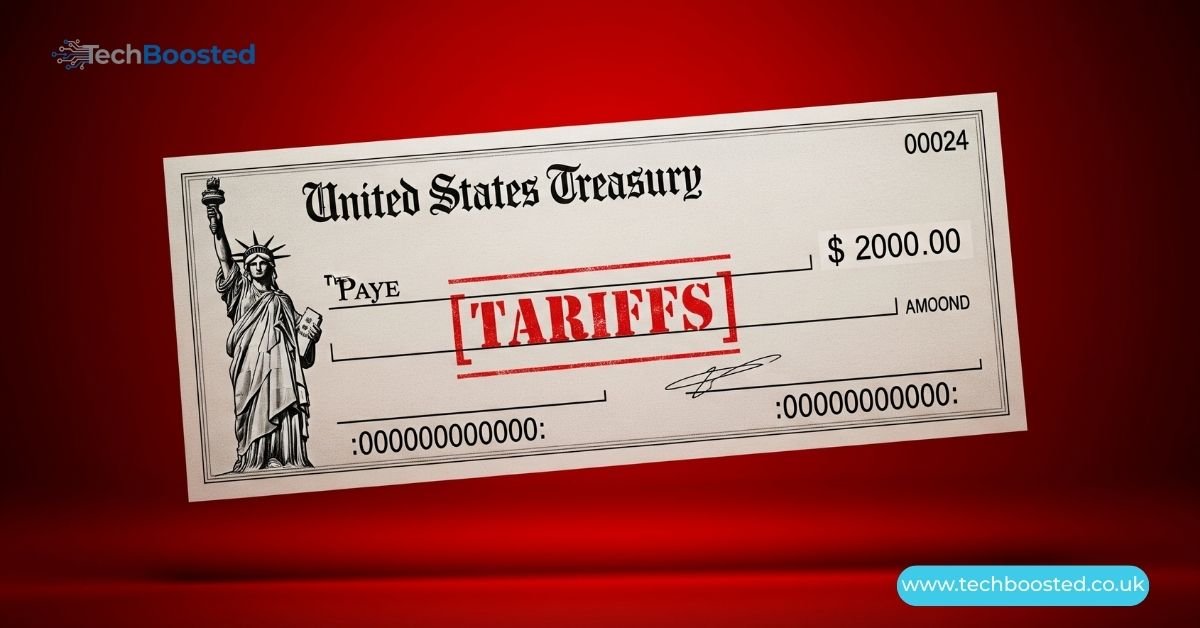
A Tariff Stimulus Check 2025 refers to a proposed form of federal payment to American taxpayers funded by tariffs taxes levied on imported goods. Instead of borrowing or using general tax revenues, the idea is to redistribute excess tariff revenue back to U.S. citizens. Proponents have framed these payments as rebates or “dividends” of tariff revenue collected from import duties, which have increased significantly in recent years due to higher tariff rates across various traded goods. Although widely discussed in media and political statements, such checks remain proposals and have not been authorized by Congress or confirmed by the Internal Revenue Service (IRS).
Why Tariff Stimulus Checks Are Being Proposed
Supporters of Tariff Stimulus Check 2025 argue that tariffs have raised large sums of money for the federal government, and that a portion of this revenue could be returned directly to taxpayers to offset the higher costs consumers face due to import taxes. Some lawmakers and political leaders see this as a way to provide financial relief to households facing rising prices on imported goods. They also claim that returning tariff revenue could boost consumer spending and support economic growth. Proponents sometimes connect these proposed payments to broader trade policy goals, suggesting that the public should benefit directly from trade enforcement actions.
How Much Could a Tariff Stimulus Check Be?
Proposals have varied widely. Some lawmakers have introduced bills that would provide checks of around $600 per eligible adult and dependent child, meaning a family of four could receive around $2,400 in total. Other political figures have floated larger amounts such as $1,000 to $2,000 per individual but without any agreed-upon legislative language or official framework. Eligibility rules, income limits, and phase-outs would also need to be defined before any payments are made. As of late 2025, these details remain speculative.
Eligibility: Who Might Qualify?
Under the tariff rebate proposals discussed by some lawmakers, eligibility would generally depend on income, similar to past stimulus programs. Individuals earning below a designated threshold such as $75,000 or $80,000 annually might receive the full benefit, with payments gradually reduced for higher incomes. Joint filers and heads of household would have different phase-out limits, and dependents could also qualify for partial rebates. However, since no tariff stimulus program has been enacted, these eligibility criteria remain theoretical and could change if legislation is ever advanced.
Are Tariff Stimulus Checks Official in 2025?
As of 2025, a Tariff Stimulus Check 2025 has not been officially approved by Congress or scheduled by the IRS. Rumors about specific payment dates and amounts have circulated online, sometimes tied to political speeches or social media posts, but none of these have been formalized into law. Government and tax officials have warned the public that various online claims including alleged IRS stimulus check notifications are either inaccurate or potential scams. Legitimate federal payments require Congressional approval, enactment of legislation, and verified announcements from official agencies.
Economic and Budgetary Challenges
Analysts and economists have pointed out that tariff revenues are unlikely to be sufficient to fund large-scale stimulus checks without creating budgetary gaps elsewhere. Estimates suggest the cost of broad rebate programs could run into the hundreds of billions of dollars, far exceeding annual tariff receipts. Various studies indicate that tariffs alone do not generate “trillions” in revenue, and although they have increased in recent years, they still represent a relatively small share of federal receipts. This makes it challenging to finance large-scale cash payments solely from tariff collections without additional appropriations.
Political Debate and Congressional Approval
A key hurdle for any Tariff Stimulus Check 2025 is political approval. While some political leaders have publicly supported the idea, others including members of the President’s own party have expressed skepticism or outright opposition. Treasury officials have noted that even proposals backed by the executive branch would likely require legislation passed by Congress to authorize spending of tariff revenue for direct payments. This legislative requirement makes the timeline and likelihood of implementation uncertain.
Potential Impact on Inflation and Consumer Prices
Even if tariff-funded payments were enacted, there are concerns about their potential economic side effects. Providing cash rebates could temporarily boost consumer spending, but it might also contribute to inflationary pressures if demand increases faster than supply. Additionally, critics argue that tariff policies themselves can raise consumer prices by making imported goods more expensive, meaning that any rebate program might not fully offset the higher cost burden on households. Economists caution that rebate plans need careful design to avoid exacerbating economic imbalances.
Risks of Scams and Misinformation
In the absence of an official Tariff Stimulus Check 2025, scammers frequently exploit public interest in potential payments to target individuals with fraud schemes. These scams may involve fake IRS websites, unsolicited emails, text messages, or social media posts that claim to offer stimulus check information in exchange for personal details. The IRS and other agencies stress that legitimate communications about federal payments will never request sensitive information through insecure channels, and taxpayers should verify any payment claims through official government portals.
How to Stay Informed and Prepared
Taxpayers who want to stay informed about potential federal payments should monitor official sources such as IRS.gov, the Treasury Department’s announcements, and members of Congress involved in tax legislation. Consulting reputable news outlets and financial publications can also help clarify the status of tariff rebate proposals versus political commentary or online rumors. Staying vigilant about scams and misinformation is critical to protecting personal information and financial security.
Conclusion
The concept of a Tariff Stimulus Check 2025 reflects ongoing debate about how tariff revenues could be used to support American taxpayers. While proposals for rebate or “dividend” checks have gained attention in political discourse, no federal program has been authorized or scheduled for implementation. Economic, legal, and political hurdles remain significant, and any future payments would require clear legislative backing and official IRS procedures. For now, taxpayers should treat online claims with caution, rely on official government announcements, and understand that tariff-funded rebates remain proposals rather than established benefits.
Frequently Asked Questions (FAQs)
What is a tariff stimulus check?
A tariff stimulus check refers to a proposed payment to U.S. taxpayers funded by tariff revenue collected on imported goods.
Will the IRS send tariff rebate checks in 2025?
No official tariff rebate payments are scheduled for 2025; the IRS has not announced any program.
Do tariff checks require Congressional approval?
Yes, any federal payment program using tariff funds would need legislation passed by Congress.
Who would be eligible for rebate payments?
Eligibility would likely depend on income thresholds, but no official criteria have been set.
How likely is it that these checks will be issued?
Experts say it is uncertain; political, economic, and budget hurdles make implementation unlikely.
Are online stimulus check rumors real?
Most such claims are misinformation or scams; always verify through official IRS channels.
Stay connected with Techboosted.co.uk through our [latest tax and policy updates].