
Table of Contents
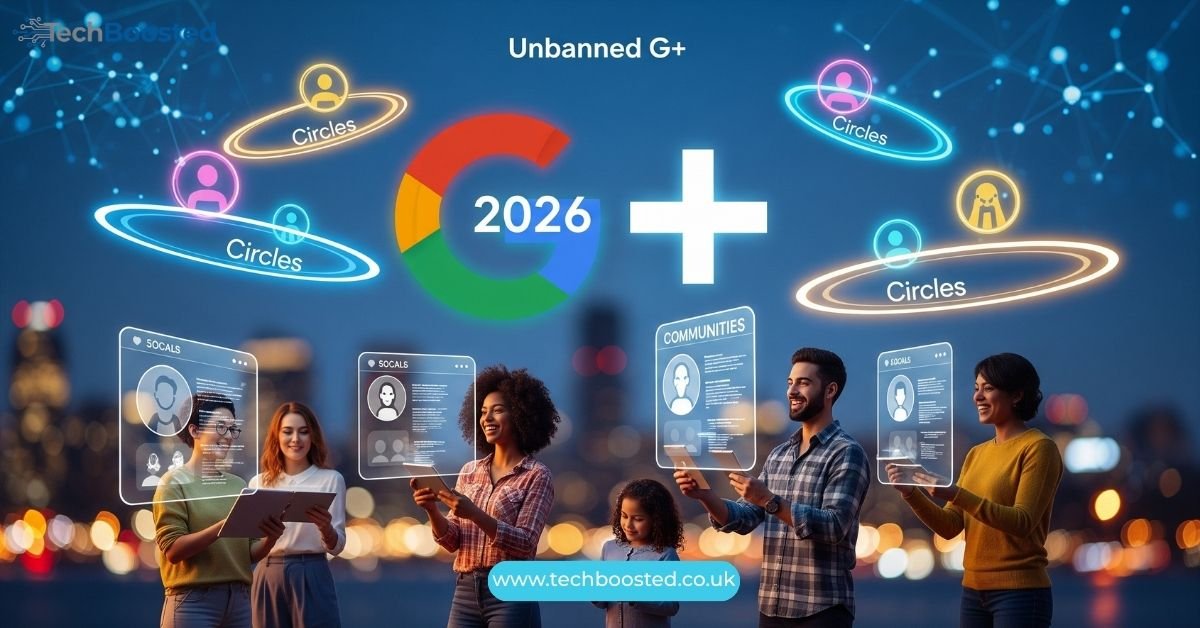
The idea of Unbanned G+ a resurgence of Google+ Circles and Communities has become a trending topic in 2026, driven largely by nostalgia and community-led revival projects rather than an official relaunch by Google. Although Google shut down the original Google+ for consumers in April 2019 due to low engagement and privacy concerns, former users still fondly remember features like Circles which let users control who saw their posts and topic-focused Communities. Since then, various fan-driven platforms and independent projects have emerged, aiming to recreate the social experience that once made Google+ unique.
What “Unbanned G+” Really Means
In 2026, the term Unbanned G+ does not refer to an official Google service reinstating the original platform, but rather a cultural movement and technical effort to revive the essence of Google+’s most beloved features. After Google officially retired the platform, many community archives and independent platforms sought to restore old discussions and offer similar social structures, like interest-based groups and controlled sharing circles. These unofficial revivals focus on replicating the privacy-centric and topic-driven engagement that users championed in the original Google+ experience.
The Legacy of Google+ Circles and Communities
Google+ was initially launched in 2011 with the promise of offering a more thoughtful and organized social engagement model than competitors. One standout feature was Circles, a system that allowed users to segment their connections such as friends, colleagues, and family and share different content with each group. Communities served as dedicated hubs for deep, topic-based discussions, attracting niche groups focused on everything from photography to coding. Despite its promising design, the platform struggled to build a large, sustained user base, leading to its eventual shutdown.
Why People Miss Google+ in 2026
Many users nostalgic for Google+ Circles and Communities point to the structured control and meaningful interactions that were rare on other social networks. Unlike algorithm-driven feeds, Google+ emphasized deliberate engagement with curated topics and interest groups. In the wake of the platform’s closure, some users exported their data using Google Takeout, while others lamented losing access to years of personal posts, circles, and community discussions. This cultural memory has fueled ongoing interest in revisiting or reimagining the network’s core concepts even years after its shutdown.
How Fans Are Reviving the Experience
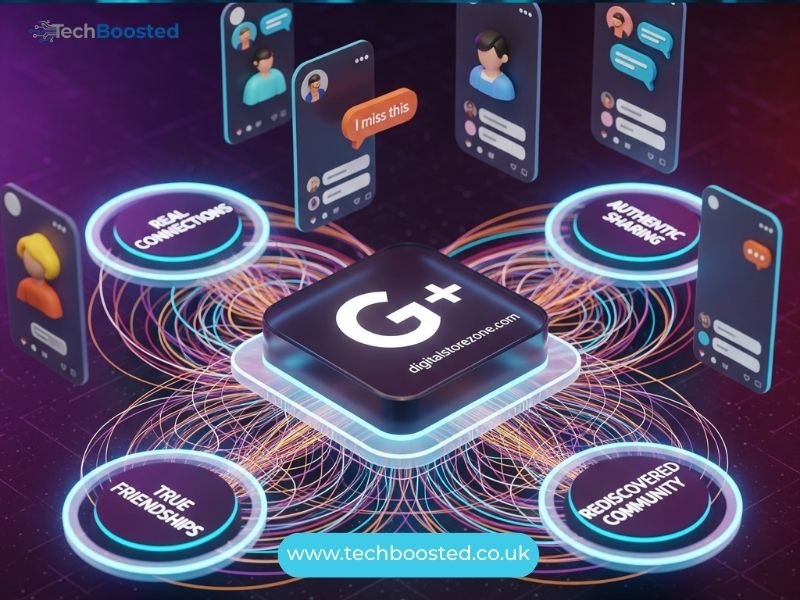
With no official reactivation from Google, fans and developers have taken matters into their own hands. Independent websites and community-focused projects use archived data or rebuild similar structures to emulate a Google+-like experience. These spaces, often referred to under the banner of Unbanned G+, aim to provide privacy-centric environments for users to form circles, join communities, and share content without heavy algorithmic interference. While these efforts lack official Google branding, they attract former users who yearn for smaller, authentic social spaces in contrast to mainstream platforms.
Comparing Unbanned G+ to Modern Alternatives
Many of the social functions that once made Google+ unique have since been absorbed into other platforms. For example, Reddit and Discord host topic-specific communities; Mastodon and decentralized social networks emphasize user control and privacy. However, none replicates the exact combination of Circles and Interest Communities that defined Google+. This gap has driven interest in Unbanned G+-style projects that blend community structure with intentional content sharing. Despite this, adoption remains niche compared to mainstream networks, reflecting broader shifts in how people engage online post-Google+.
Is Google Bringing the Platform Back?
As of 2026, there is no official confirmation from Google that the original Google+ or its consumer-focused social features will return. Google did maintain elements of social interaction through enterprise tools like Google Currents, which later evolved into Spaces in Google Chat, but these are not equivalent to the consumer-oriented Circles and Communities of Google+. Any talk of official resurgence remains speculative, and grassroots revival efforts continue to be driven by community passion rather than corporate strategy.
Why It’s Trending Now
The renewed interest in Google+ Circles and Communities in 2026 can be traced to a broader cultural pushback against highly commercialized, algorithm-heavy social platforms. Many users express fatigue with feeds designed to maximize engagement time and ad exposure, rekindling appreciation for platforms emphasizing user control and meaningful interaction. Nostalgia also plays a significant role, with former Google+ users sharing memories and discussing what made the platform special, keeping the idea of an “Unbanned G+” alive in online discourse.
How to Experience the Spirit of Google+ Today
While the original platform is gone, users interested in a Google+-like experience can explore several alternatives. Decentralized networks like Mastodon provide community-centric spaces, while forums on Reddit or Discord host topic-based groups reminiscent of Google+ Communities. Some independent projects attempt to recreate Circles-style sharing or archive community content for historical interest. These options offer variations of the experience that users miss, even if they do not perfectly mirror the old system.
Conclusion
The resurgence of interest in Unbanned G+ and nostalgic discussions about Google+ Circles and Communities in 2026 highlights how powerful online community structures can be. Although Google has not officially reinstated the social network, fan-driven efforts and independent projects strive to preserve what made Google+ unique: intentional social groups, privacy-focused sharing, and topic-oriented communities. Whether as a symbolic cultural revival or a literal technical re-creation, the legacy of Google+ continues to influence how people think about online engagement and community building in a post-algorithm social era.
The Role of Privacy in Google+’s Renewed Appeal
One major reason discussions around Unbanned G+ are resurfacing is privacy. Long before privacy became a mainstream concern, Google+ allowed users to decide exactly who could see each post using Circles. This level of control contrasts sharply with today’s algorithm-driven platforms, where content visibility is often unpredictable. In 2026, as users grow more cautious about data collection and audience reach, the privacy-first philosophy behind Google+ feels ahead of its time. The renewed interest reflects a broader shift toward platforms that prioritize user intent over engagement metrics, making Google+’s original design philosophy feel increasingly relevant.
Community Moderation Then vs Now
Another reason Google+ Communities are being discussed again is moderation quality. Unlike many modern platforms that rely heavily on automated moderation, Google+ Communities emphasized human moderation and clear participation rules. Community owners had meaningful control over discussions, membership, and content standards. In contrast, many current social platforms struggle with spam, misinformation, and low-quality engagement. Looking back in 2026, former users recognize that Google+ offered a more balanced moderation model. This realization is driving interest in community-led revivals that attempt to restore structured, respectful discussions similar to those once found on Google+.
Lessons Modern Platforms Learned From Google+
Even though Google+ failed commercially, its influence is visible across today’s platforms. Features like audience segmentation, interest-based feeds, and threaded discussions echo concepts introduced by Google+. Social networks such as Reddit, Discord, and even LinkedIn communities have adopted variations of these ideas. In hindsight, Google+ may have been too early rather than poorly designed. In 2026, industry analysts increasingly cite Google+ as a case study in innovation timing. The renewed discussion around Unbanned G+ reflects growing recognition that the platform’s core ideas were sound, even if execution and adoption fell short.
Could a Decentralized Google+ Model Work Today?
With decentralized social platforms gaining momentum, some developers believe a Google+-inspired model could succeed today. Decentralization aligns well with the original principles of Circles and Communities, allowing users to own their data while still participating in structured discussions. In 2026, federated platforms and open protocols make it technically feasible to recreate Google+-style experiences without centralized control. While no single project has fully replicated the original ecosystem, experimentation continues. This technical evolution is a key reason why conversations about Unbanned G+ persist, blending nostalgia with modern infrastructure possibilities.
Frequently Asked Questions (FAQs)
Has Google officially relaunched Google+?
No there is no official consumer relaunch of Google+ in 2026.
What does “Unbanned G+” mean?
It refers to fan-driven revivals or independent projects inspired by Google+ features.
Can I recover my old Google+ account?
Officially no Google shut down personal Google+ accounts and did not reinstate them.
What were Google+ Circles?
Circles let users share content selectively with specific groups of people.
Are Google+ Communities back?
Not officially, but some independent platforms mimic similar group interactions.
What platforms resemble Google+ today?
Reddit, Discord, and Mastodon provide community-like spaces similar to old Google+ groups.
Stay connected with Techboosted.co.uk through our latest social media trends coverage.