
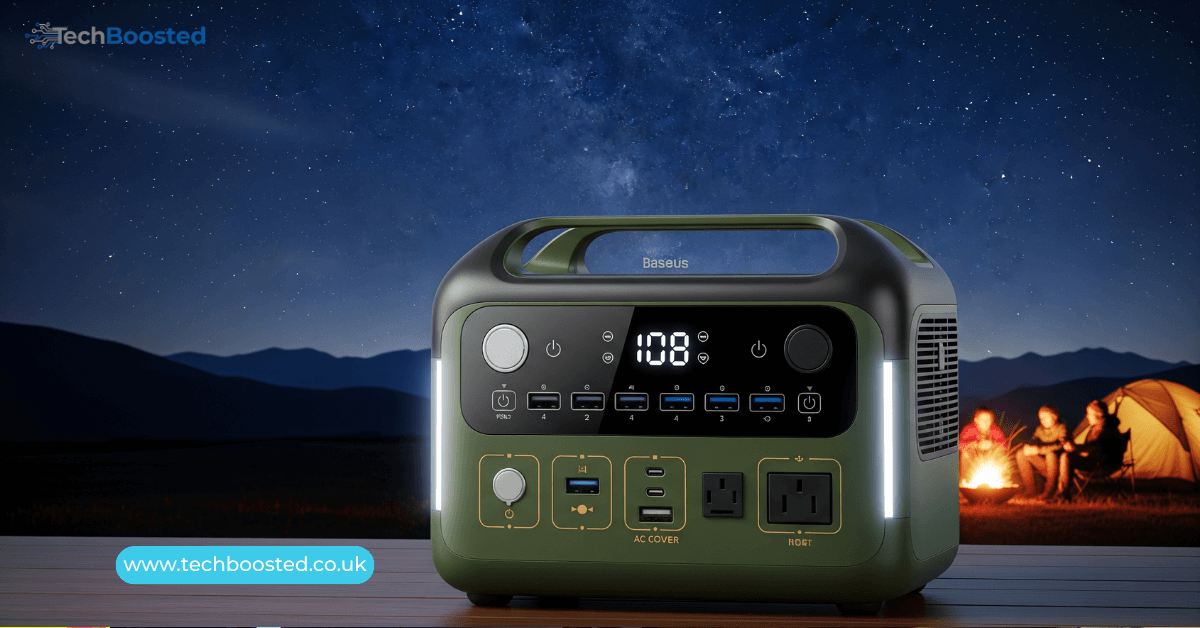
Why Choose a Portable Power Station for Camping
A portable power station for camping provides reliable, quiet electricity in remote locations without the noise, fumes, or fuel needs of traditional generators. These lithium-based battery packs feature AC outlets, USB ports, and DC outputs to charge phones, run lights, power fans, coolers, or small appliances off-grid. As camping evolves with gadgets like electric coolers, drones, and portable fridges, a portable power station for camping ensures comfort and connectivity while preserving nature’s peace. In 2025, models with LiFePO4 batteries offer longer lifespans (up to 3,000+ cycles), faster solar charging, and expandable capacity, making them ideal for weekend trips or extended adventures. They serve as emergency backups during outages, proving versatile beyond the campsite.
Key Factors to Consider When Buying a Portable Power Station for Camping
Selecting the right portable power station for camping requires balancing several factors to match your needs.
- Capacity (Wh) Measured in watt-hours, it determines runtime. For minimal use (phones and lights), 300-500Wh suffices; for fans, coolers, or CPAP machines, aim for 700-1,000Wh; extended trips with appliances need 1,500-2,000Wh or more.
- Output Power (W) Continuous and surge ratings matter 1,000W+ handles most gear, with 2,000W+ surge for starting motors.
- Portability Weight under 20 lbs with handles suits backpacking; 30-50 lbs works for car camping.
- Battery Type LiFePO4 offers safety, longevity, and performance in extremes over older lithium-ion.
- Charging Options Fast AC (1-2 hours), solar (with 200-400W panels), and car charging extend off-grid use.
- Ports and Features Multiple AC, USB-C/PD (100W+), and wireless charging enhance versatility; apps, UPS mode, and quiet operation (<40dB) add value.
Prioritize solar compatibility and durability for rugged outdoor use.
Calculating Your Power Needs for Camping
Accurately sizing a portable power station for camping starts with estimating consumption. List devices, note wattage (from labels or manuals), and multiply by usage hours for daily Wh needs add 20-30% buffer for inefficiencies.
Common examples:
- Smartphone charge (20W) × 2 hours = 40Wh
- LED lights (10W) × 5 hours = 50Wh
- Portable fan (50W) × 4 hours = 200Wh
- Electric cooler (60W) × 24 hours = 1,440Wh (intermittent)
A basic weekend setup totals 300-600Wh daily, suiting 500-1,000Wh stations. Families with coolers or CPAP may need 1,000-2,000Wh. Tools like online calculators from EcoFlow or Jackery simplify this process.
Top Portable Power Stations for Camping in 2025
Leading brands like Jackery, EcoFlow, Anker, and Bluetti dominate 2025 reviews.
The Jackery Explorer 2000 Plus (2,042Wh, expandable) excels in versatility for longer trips.
The EcoFlow River 2 Pro (768Wh, 17 lbs) offers lightweight portability with fast charging.
The Anker Solix C1000 (1,056Wh) boasts excellent power-to-weight ratio and durability.
The Bluetti AC70 or Elite 200 V2 provide value and reliable performance.
Smaller options like the Jackery Explorer 300 (293Wh) or EcoFlow River 3 suit minimalists. Expandable models like Jackery or EcoFlow future-proof investments.
Benefits of Solar Charging with a Portable Power Station for Camping
Pairing a portable power station for camping with solar panels enables unlimited off-grid recharging. 200-400W foldable panels fully charge mid-size units in 4-8 sunny hours, extending stays indefinitely. Brands offer compatible panels (e.g., Jackery SolarSaga, EcoFlow bifacial). Benefits include sustainability, no fuel costs, and silent operation ideal for boondocking or remote sites. In 2025, efficient panels (>22% conversion) and MPPT controllers maximize cloudy-day input.
Battery Life and Maintenance Tips
Modern portable power stations for camping with LiFePO4 batteries last 3,000-5,000 cycles (10+ years with occasional use). Store at 50-70% charge in cool, dry places; avoid full drains or extreme temperatures. Firmware updates via apps improve performance. Most include BMS for overcharge/discharge protection. Proper care ensures years of reliable camping power.
Safety Features to Look For
Safety is paramount in a portable power station for camping. Seek UL-certified models with pure sine wave inverters (safe for sensitive electronics), overload/short-circuit protection, and cooling fans. LiFePO4 reduces fire risks versus older chemistries. Dust/water resistance (IP ratings) and sturdy builds handle outdoors. Quiet operation (<50dB) and no emissions make them campsite-friendly.
Portable Power Station vs Traditional Generator for Camping
Portable power stations outperform gas generators for camping: silent, fume-free, indoor-safe, and maintenance-free. They charge via solar/wall/car, unlike fuel-dependent generators. Drawbacks include higher upfront cost and limited runtime without recharge, but solar mitigates this. For most campers, stations provide cleaner, convenient power.
Conclusion
A portable power station for camping transforms outdoor experiences, delivering reliable electricity for devices and comforts without sacrificing immersion. In 2025, options from Jackery, EcoFlow, Anker, and Bluetti cater to every needfro ultralight backpacking to family car camping. Calculate usage, prioritize capacity/portability/solar compatibility, and invest in LiFePO4 models for longevity. The right station ensures powered adventures with peace of mind.
FAQs
What size portable power station do I need for camping?
For basic phone/lights charging, 300-500Wh suffices; for fans/coolers/CPAP, 700-1,000Wh; longer trips with appliances require 1,500-2,000Wh+.
Can a portable power station run a CPAP machine while camping?
Yes, 500Wh+ models with AC outlets run CPAP machines overnight; check wattage and add buffer for humidifiers.
How long does a portable power station last on a camping trip?
Runtime depends on capacity and usage e.g., 1,000Wh lasts 2-3 days for moderate loads; solar extends indefinitely.
Are portable power stations worth it for camping?
Absolutely they provide quiet, clean power for gadgets/appliances, enhancing comfort without generators’ drawbacks.
Can I charge a portable power station with solar panels while camping?
Yes, most support solar input; 200-400W panels recharge mid-size units in hours of sunlight.
What is the best brand for portable power stations for camping?
Jackery, EcoFlow, Anker, and Bluetti lead in 2025 with reliable, feature-rich models tailored for outdoor use.
Stay connected with techboosted.co.uk for the latest outdoor gear reviews and camping tips.